Gentle beaches, pools, dolphins and spice farms — a family Goa.
Quick answer
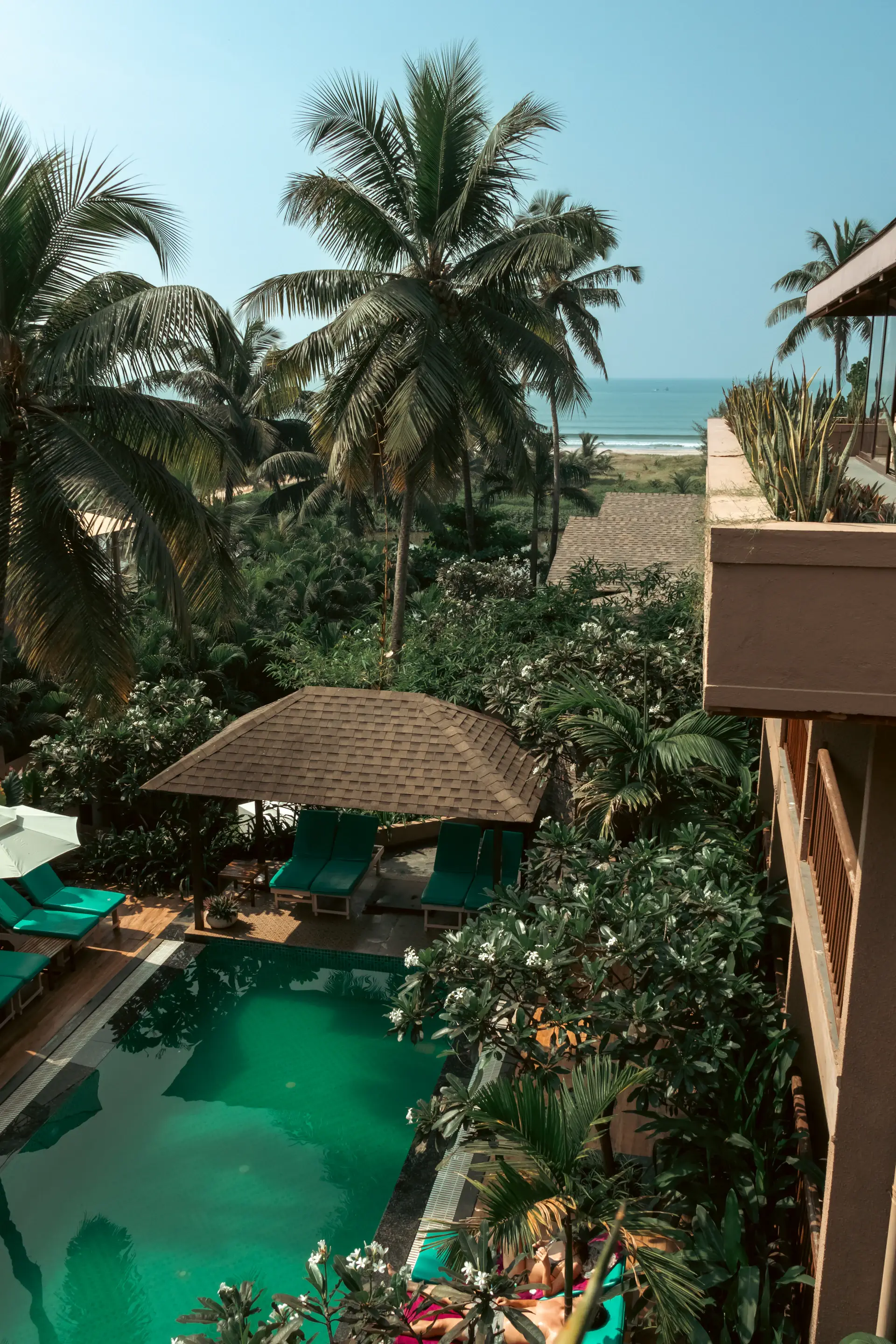
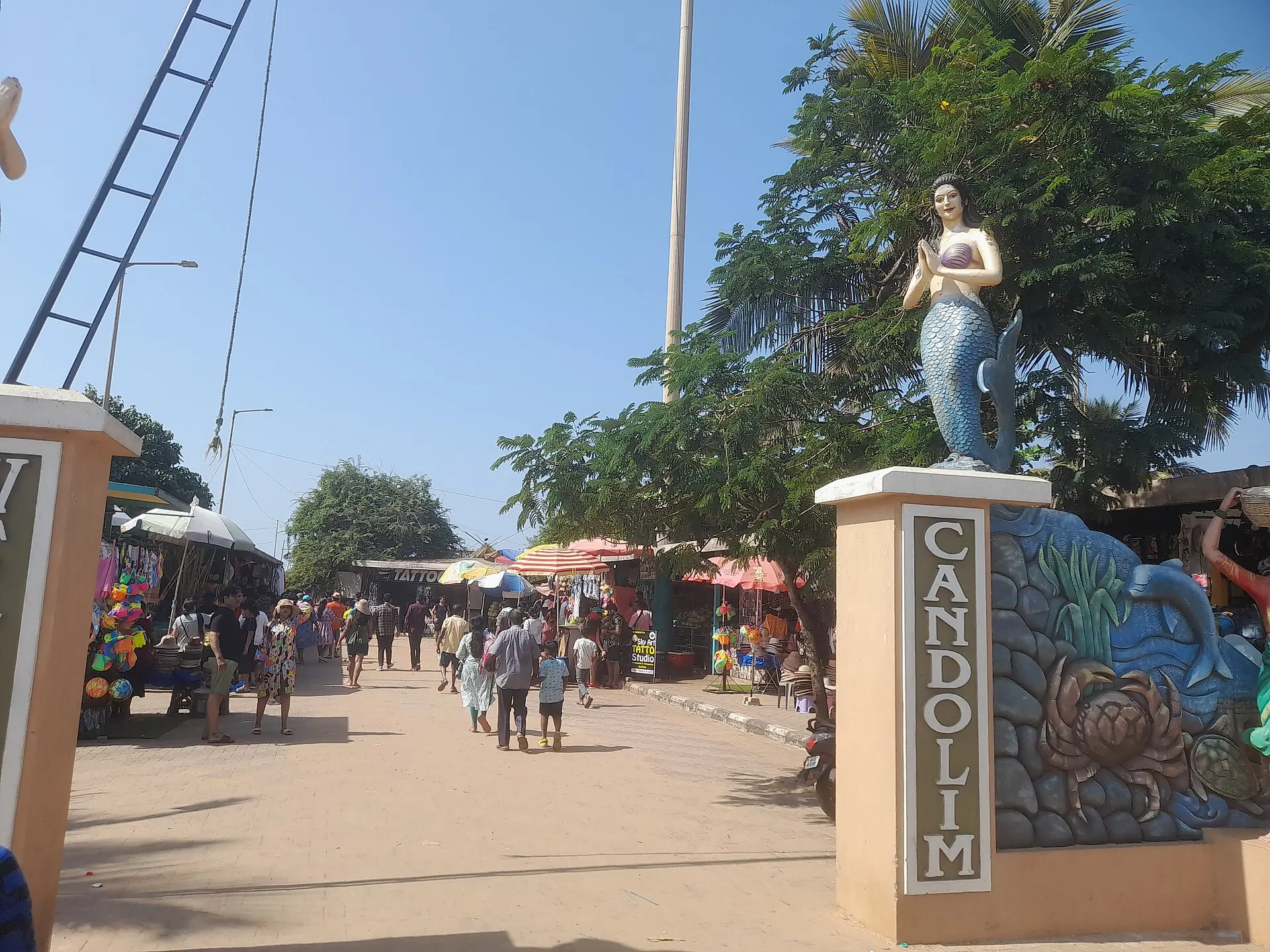
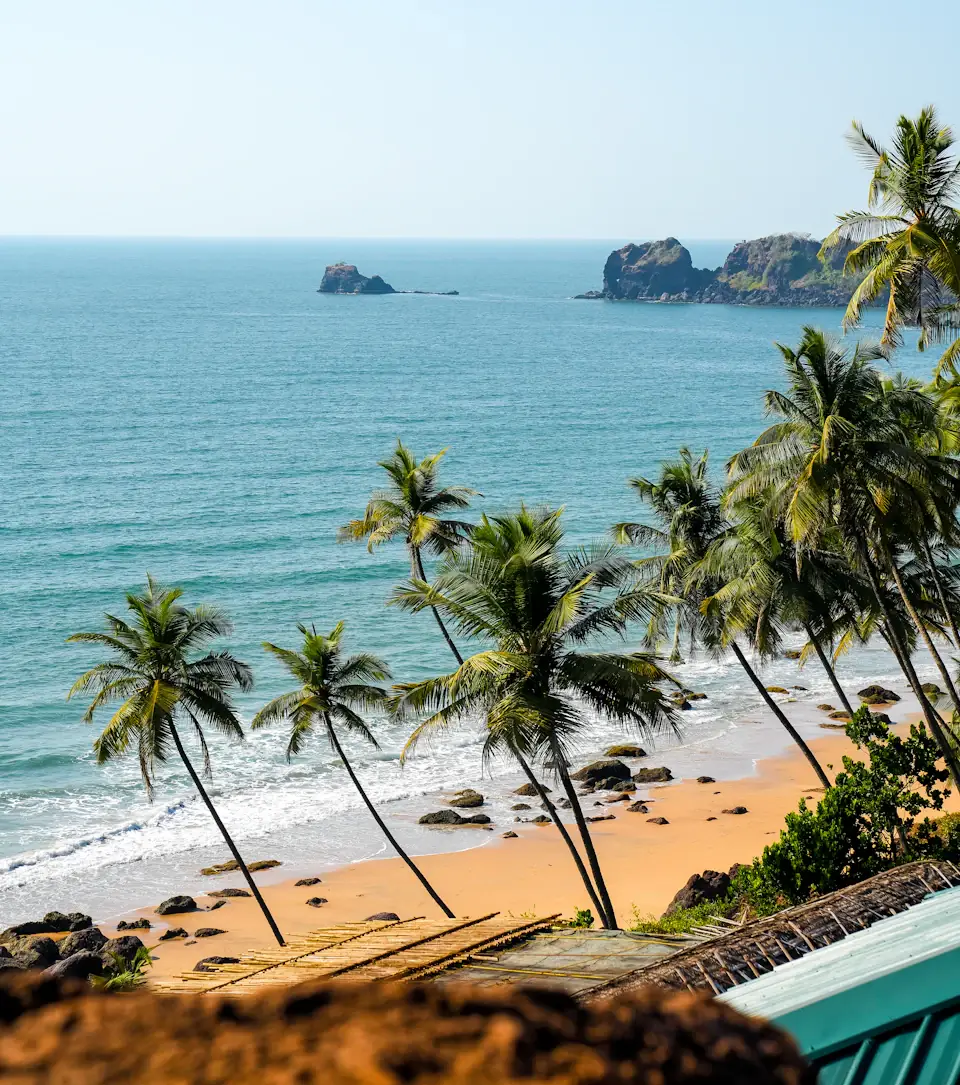
For families, pick a resort with a pool in Candolim or on the South Goa coast, choose calmer beaches like Benaulim, Majorda or Candolim, and plan short outings: dolphin-spotting trips, spice farms with lunch, Old Goa's churches and the Museum of Goa. Avoid midday sun and the monsoon sea.
Updated November 2026 · GoaPlace editors · facts checked against our own listings
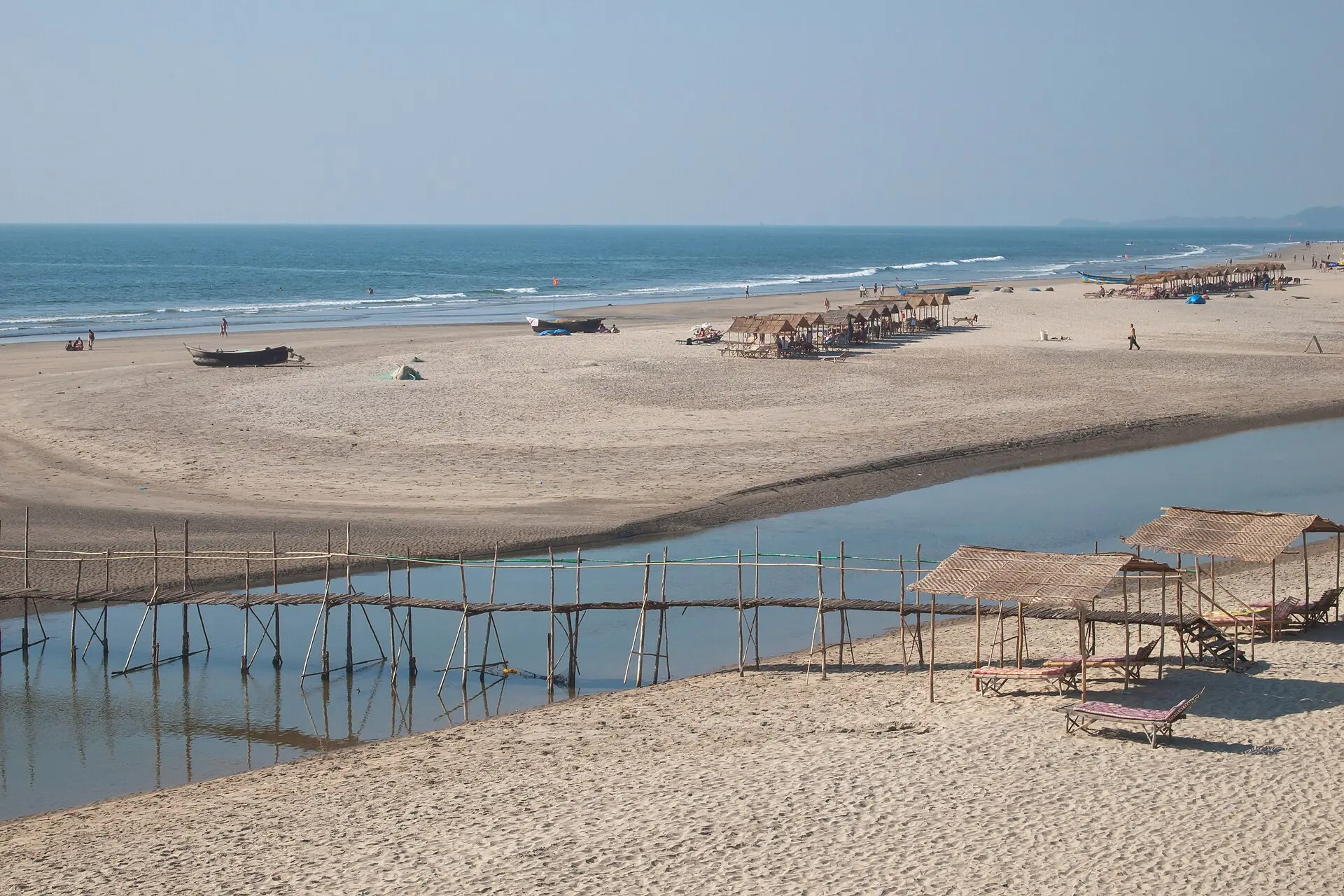
Wide, clean and mercifully calm, Mandrem is where North Goa exhales. A little creek separates the village from the sand, the sea is gentle in season, and the beach cafés lean towards yoga mats rather than speakers.
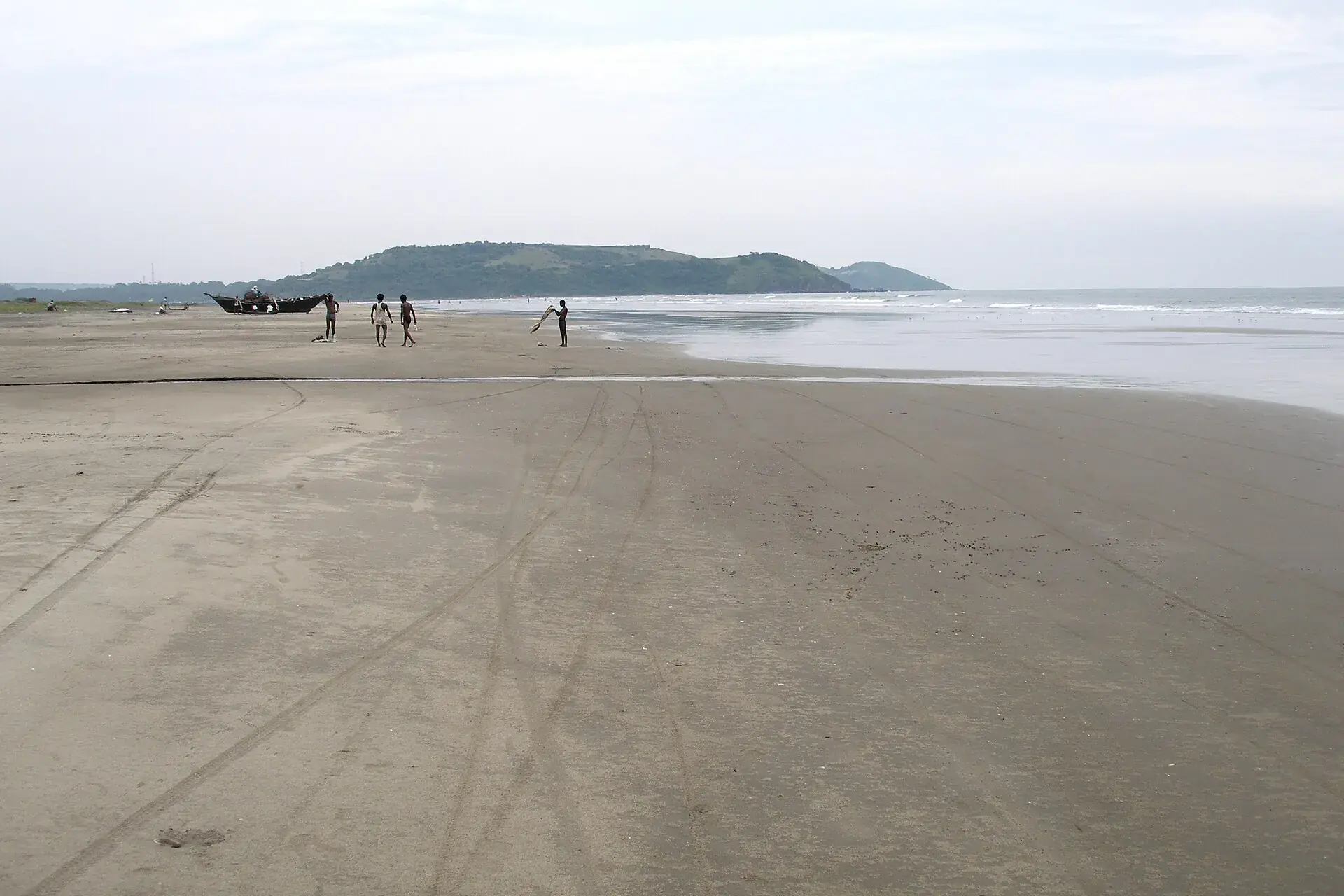
At the mouth of the Chapora river, Morjim's long, flat beach is a protected nesting site for Olive Ridley turtles in winter — look for fenced hatcheries and give them space. Kitesurfers love the steady afternoon breeze.
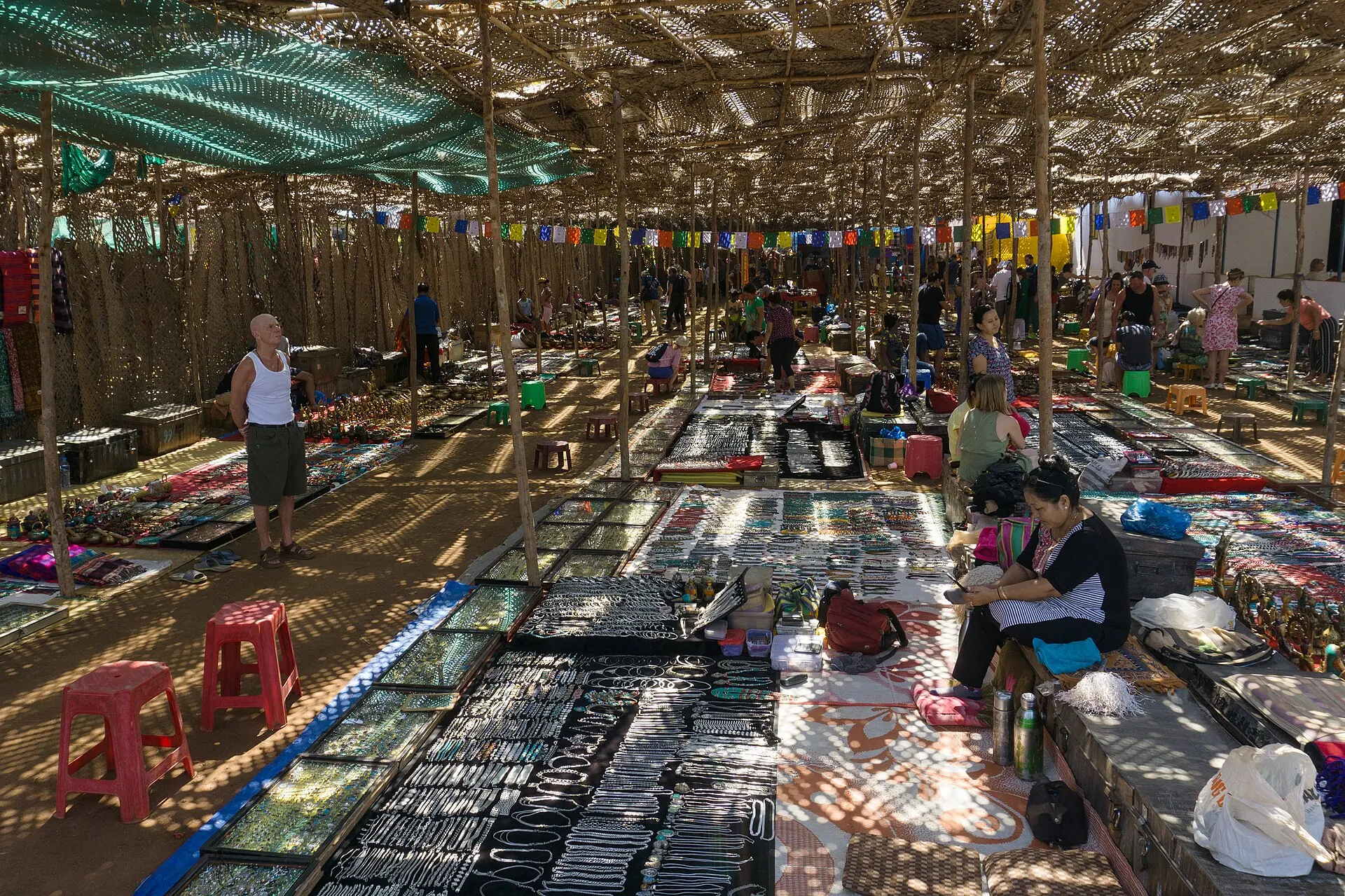
Held on Wednesdays through the tourist season, this sprawling market mixes Tibetan jewellery, Kashmiri shawls, Gujarati textiles and Goan spices. Go early to beat the heat, carry cash and bargain with a smile.
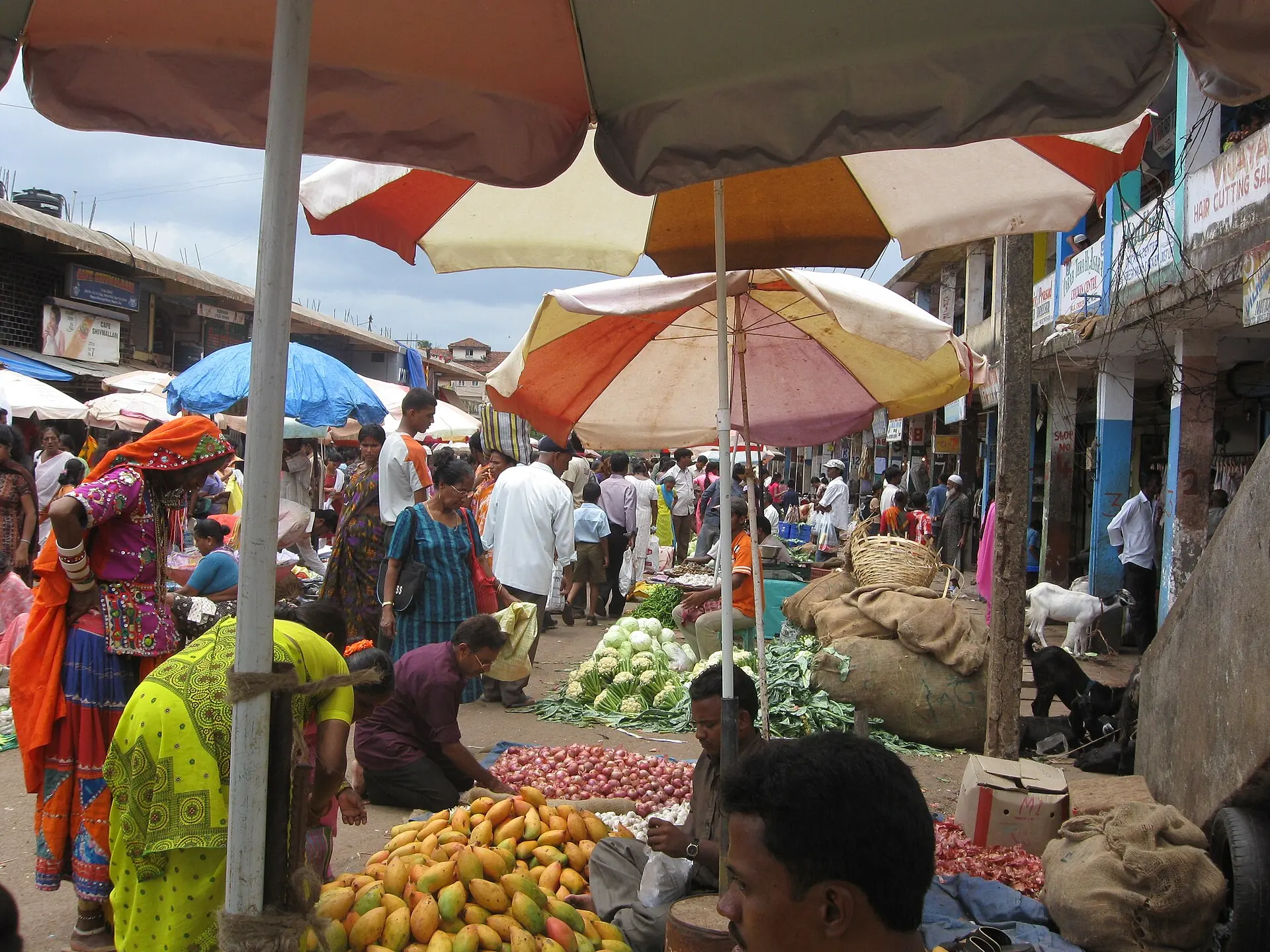
North Goa's real market town. Friday is the big day, when farmers and traders bring chouriço sausages, kokum, cashews, pickles and piles of seasonal fruit. Come hungry and with small notes.
Goa's biggest and busiest beach, the 'Queen of Beaches' to generations of Indian holidaymakers. Wide sands, lifeguards, water sports and endless snacks make it easy with kids; walk south towards Candolim for more space.
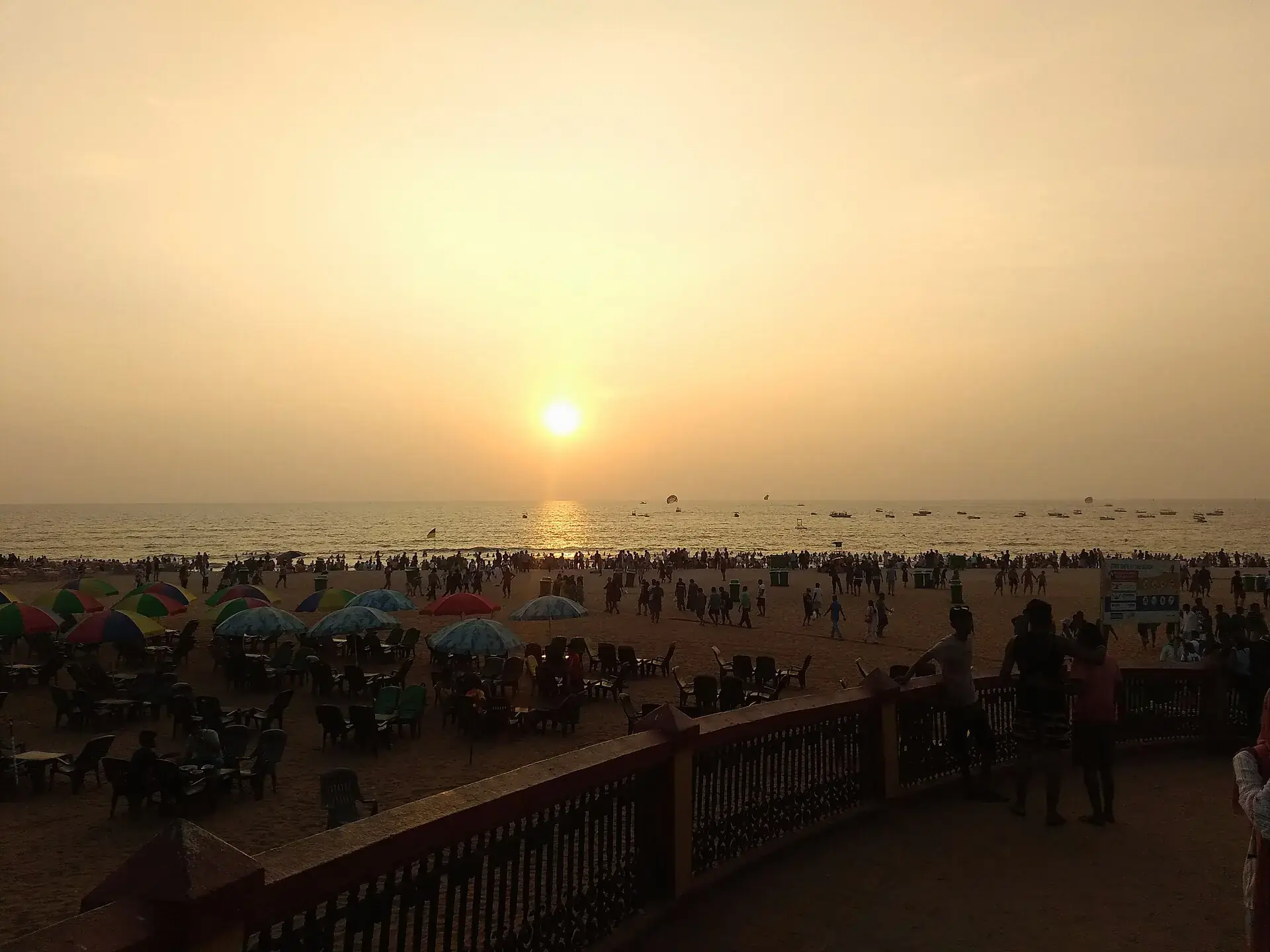
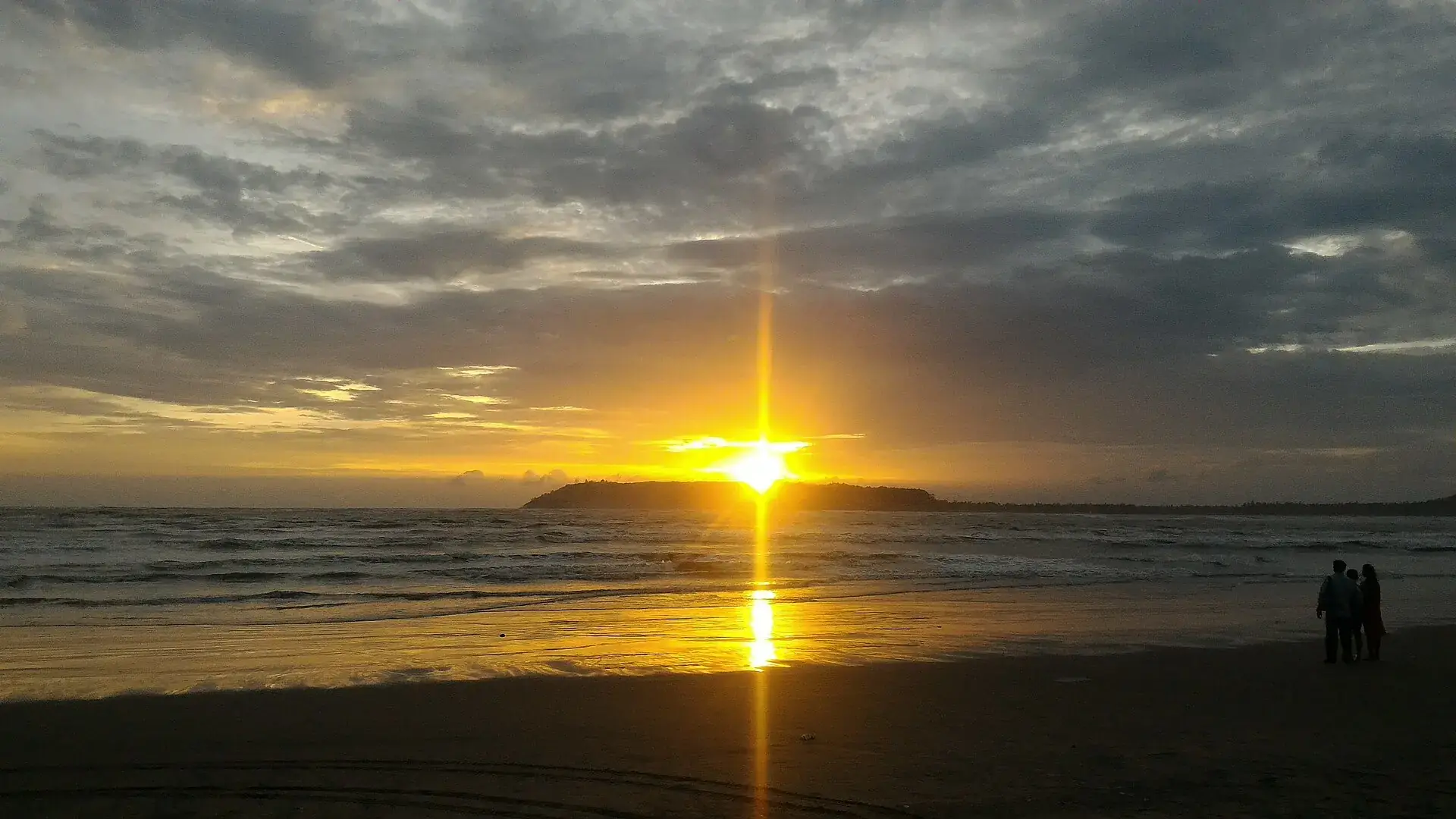
A long, straight beach that feels a notch quieter than Calangute, with good shacks, sunbeds and a relaxed, older crowd. The sunset walk north from here along the waterline is lovely.
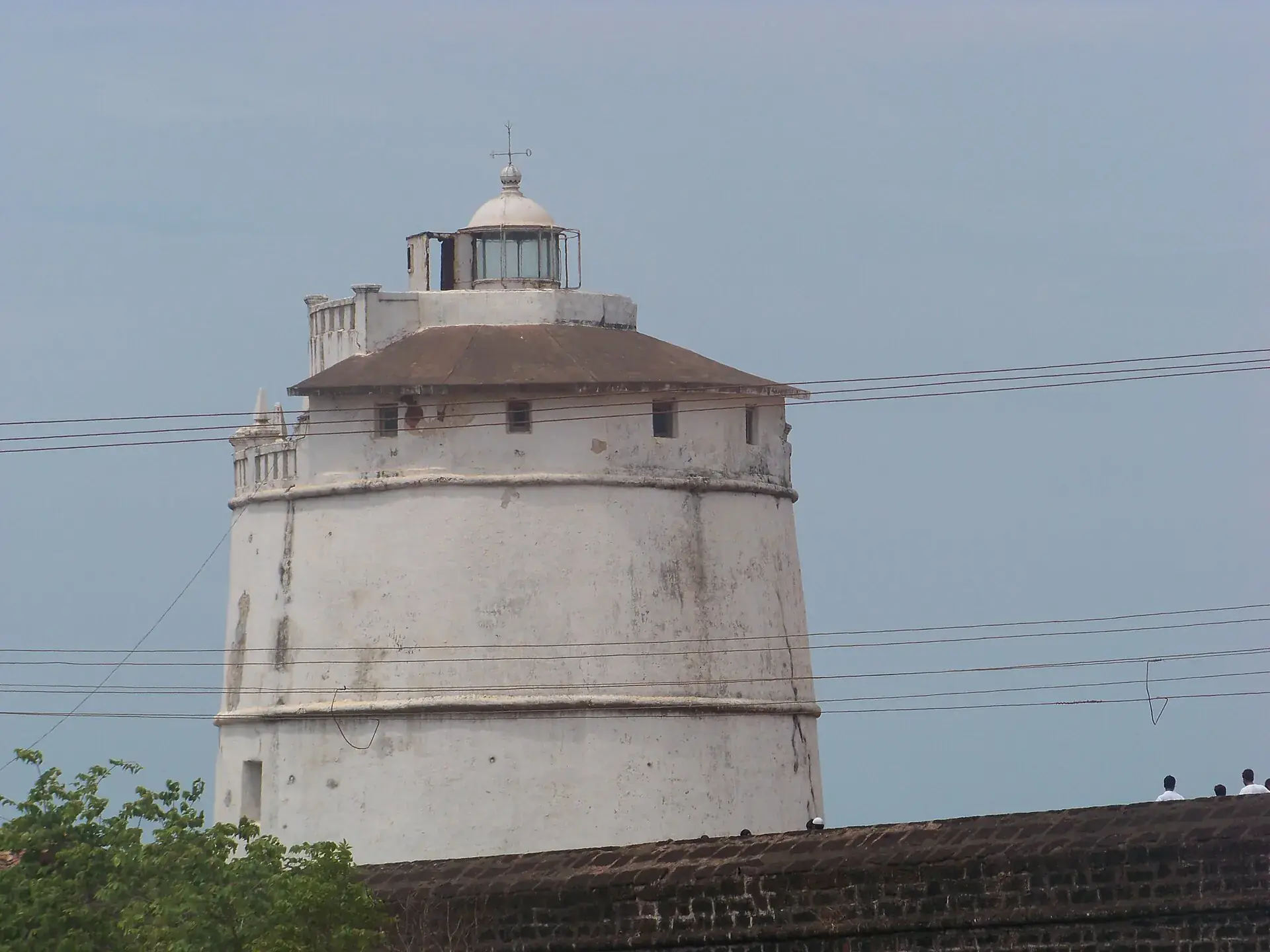
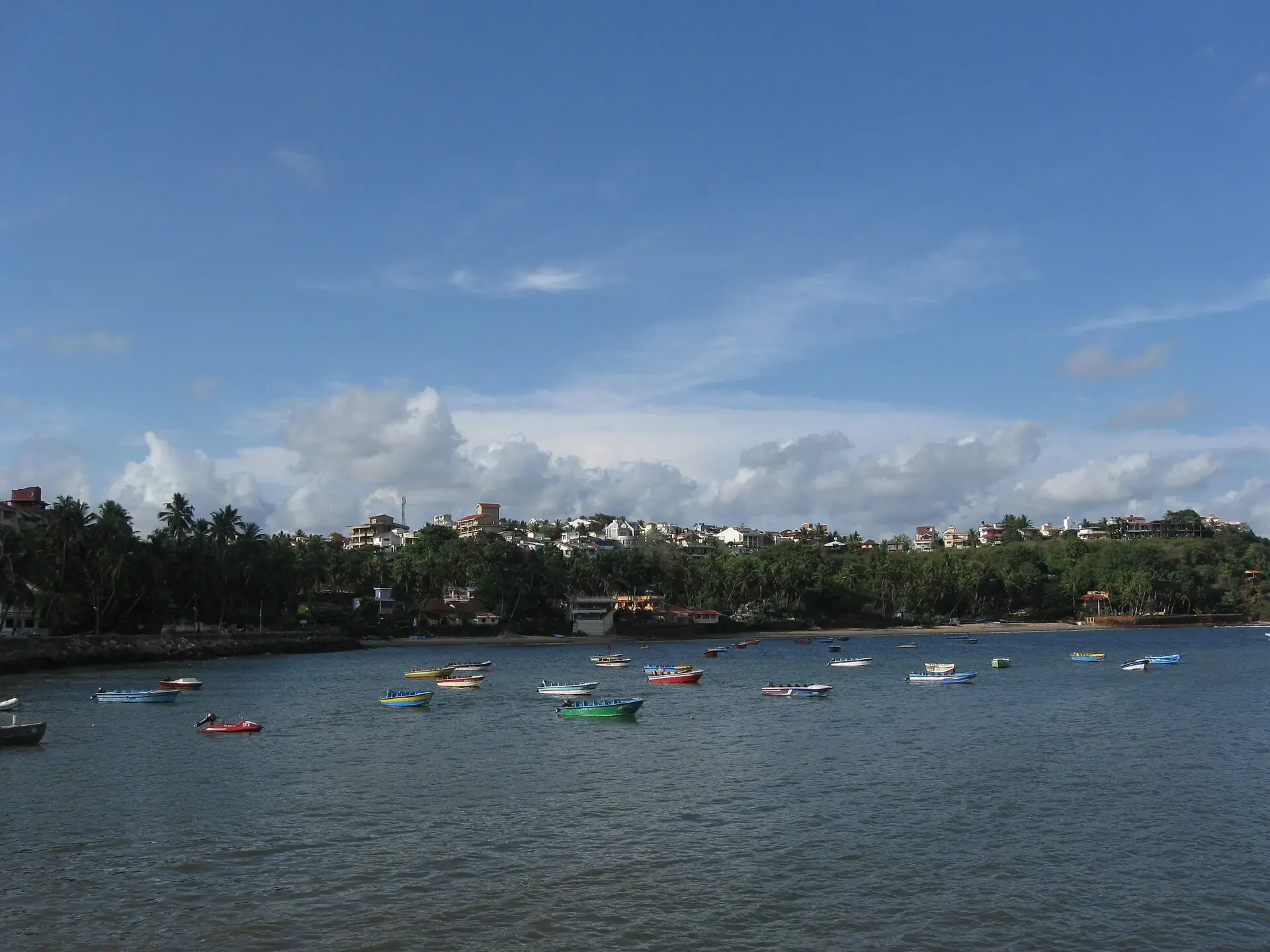
Built by the Portuguese in the early 1600s to guard the Mandovi and give passing ships fresh water — 'aguada' means watering place. The ramparts and old lighthouse overlook the Arabian Sea and glow in late-afternoon light.
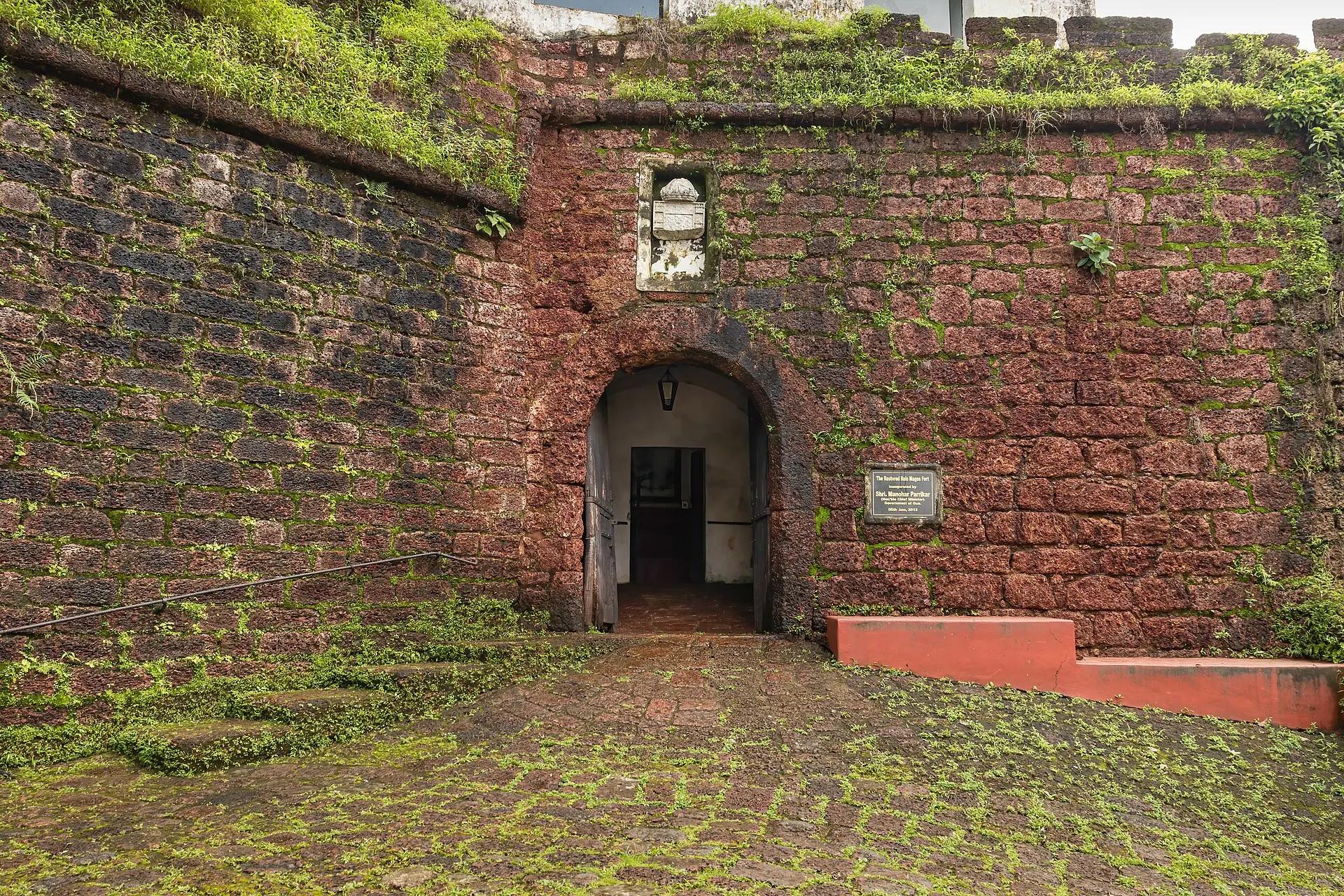
A compact fort on the north bank of the Mandovi, carefully restored and now home to exhibitions on Goa's history. The views across the river to Panaji are superb, and its size makes it an easy stop with children.
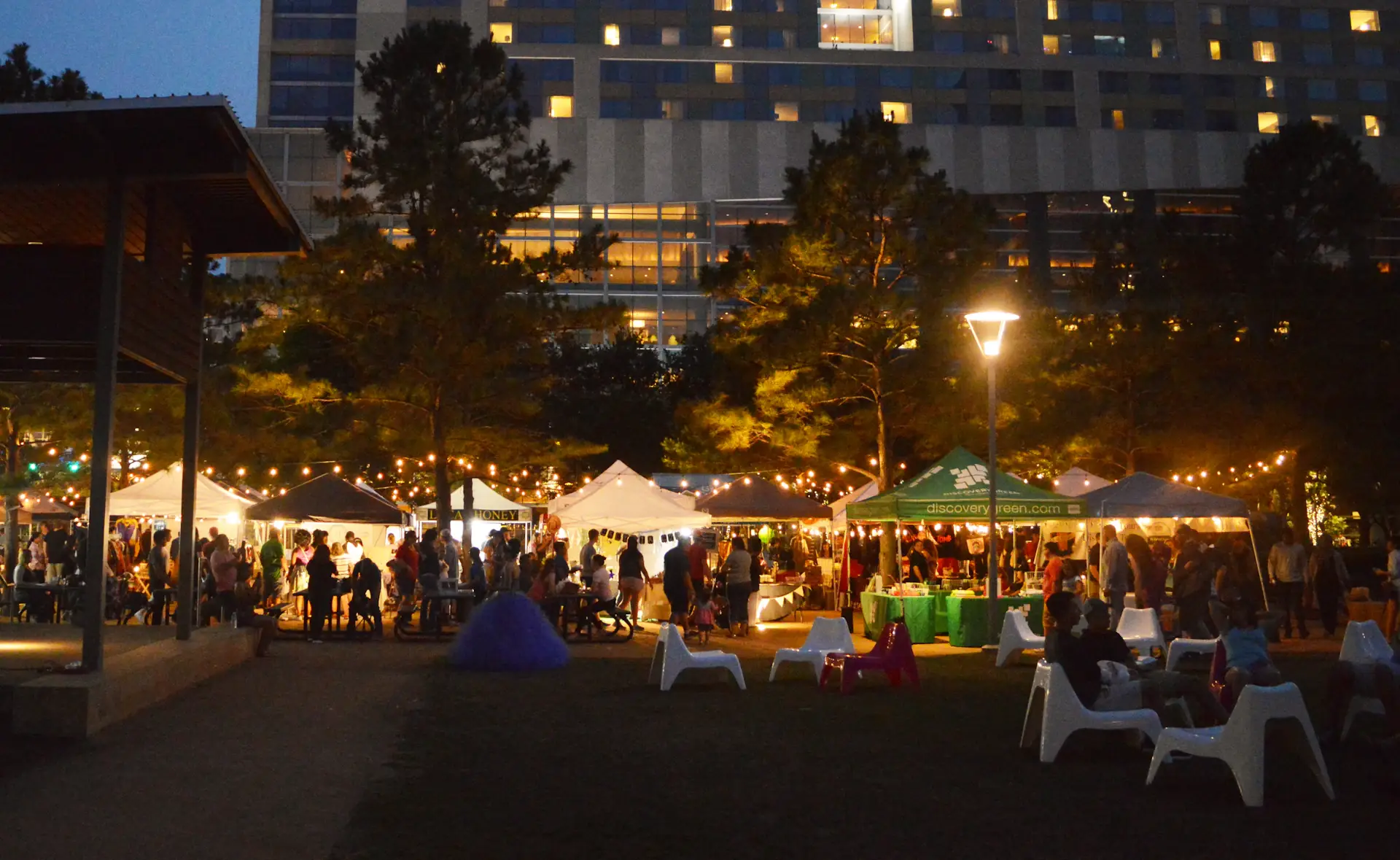
On Saturday evenings in season a hillside in Arpora fills with food stalls, fashion, crafts and a live-music stage. It is a festival as much as a market — arrive around sunset and stay for dinner.
A contemporary art museum founded by artist Subodh Kerkar. Its galleries explore Goa's history, sea and identity through installations and changing exhibitions — a thoughtful escape on a wet or scorching afternoon.
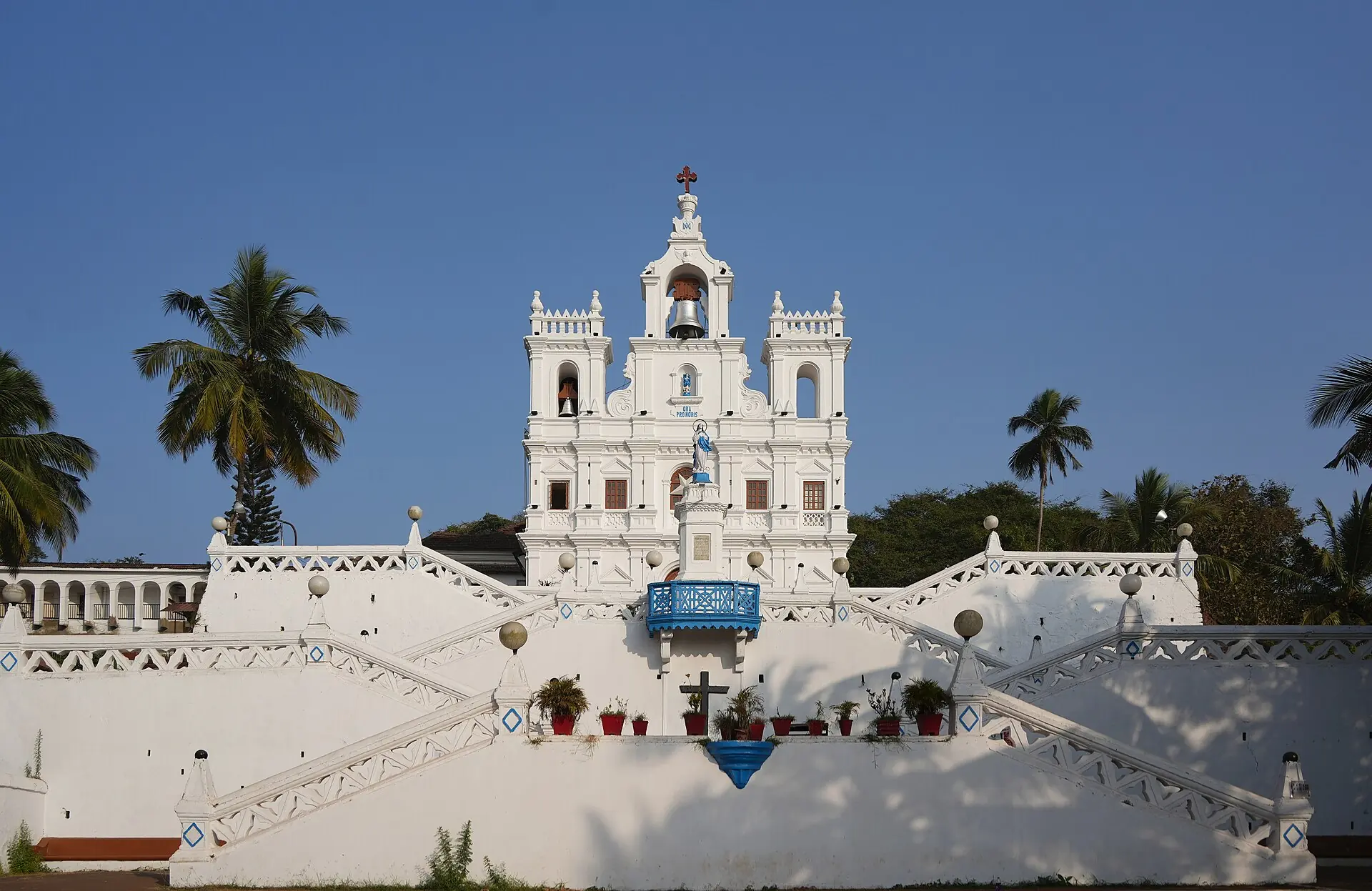
The dazzling white church above a criss-cross staircase that appears on every Panaji postcard. A chapel stood here in the sixteenth century; the present church grew around it. Visit in soft morning light and dress modestly.
Panaji's own beach, where the Mandovi meets the sea. It is not really a swimming beach, but it makes a lovely evening promenade with families, kites and snack carts as the sun goes down.
A jetty-top viewpoint at the tip of the Tiswadi headland, looking out over the mouths of the Zuari and Mandovi rivers and the Mormugao harbour. Come for the breeze and the view; it gets busy on weekend evenings.
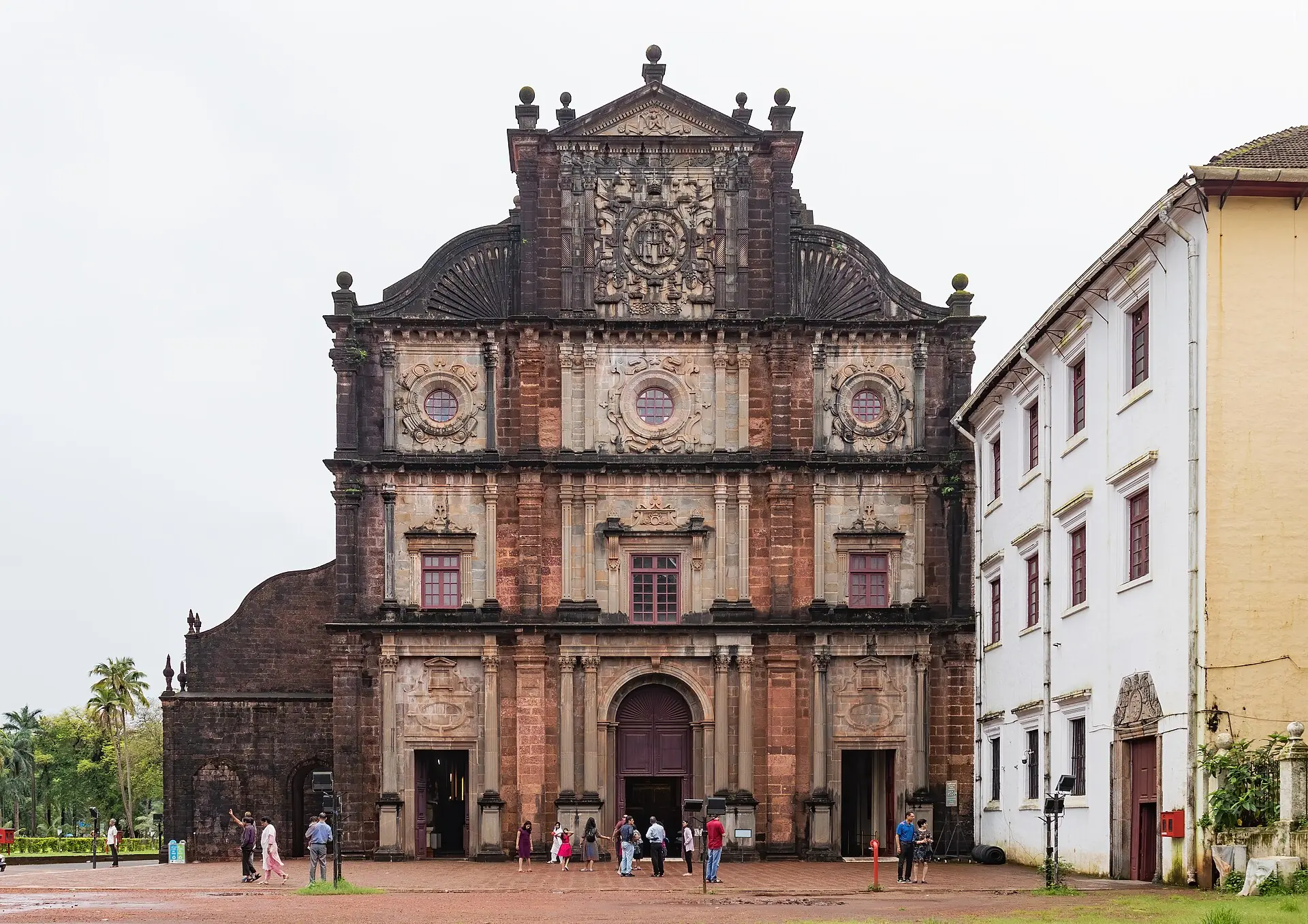
The Basilica holds the mortal remains of St Francis Xavier and is part of the UNESCO-listed Churches and Convents of Goa. Its unplastered laterite façade glows gold in the morning. Dress modestly and keep voices low.
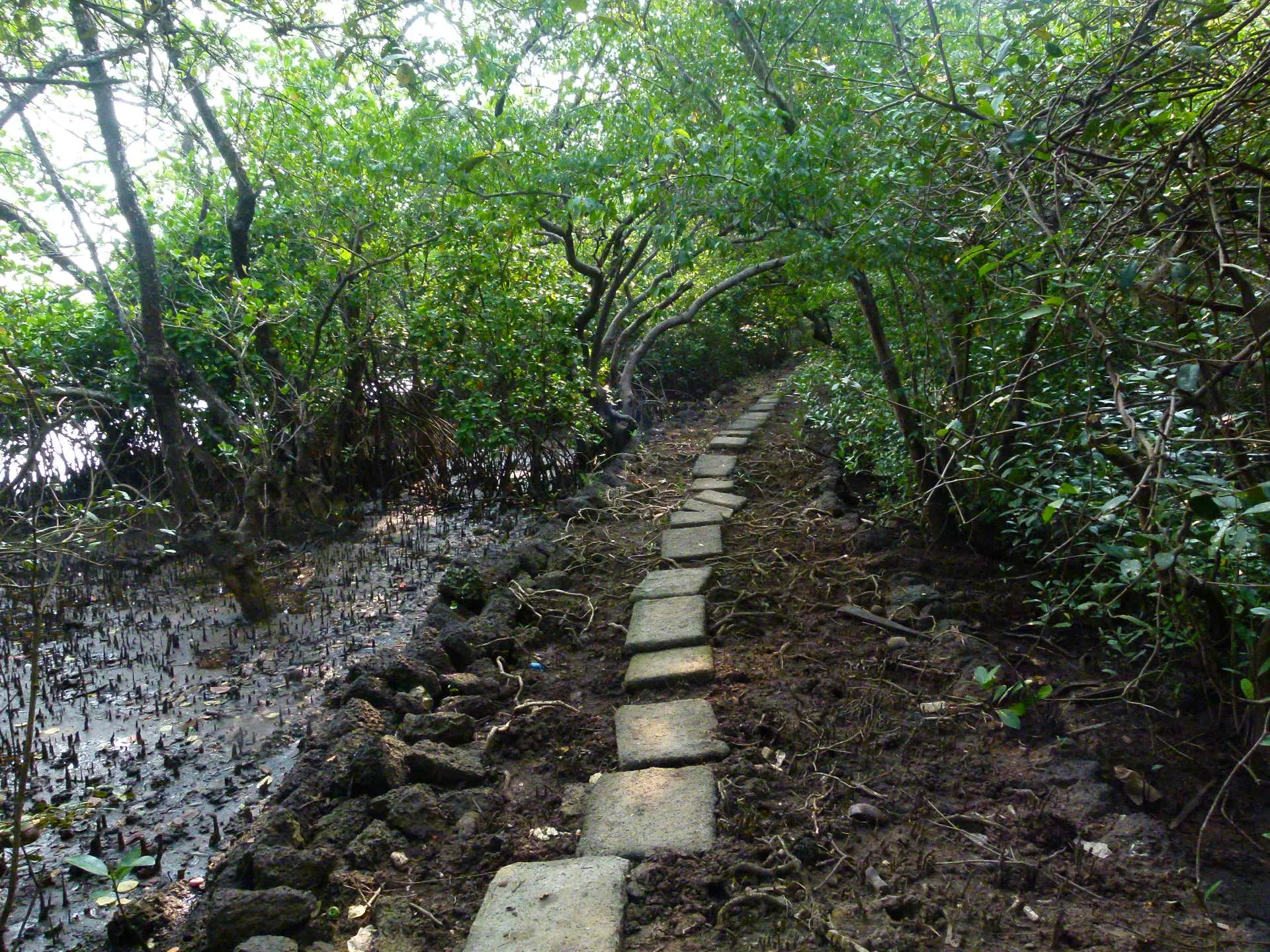
A mangrove sanctuary on Chorão island, reached by ferry from Ribandar. Walk the boardwalk or ask local boatmen about a slow canoe trip early in the morning for kingfishers, herons and a parade of mudskippers.
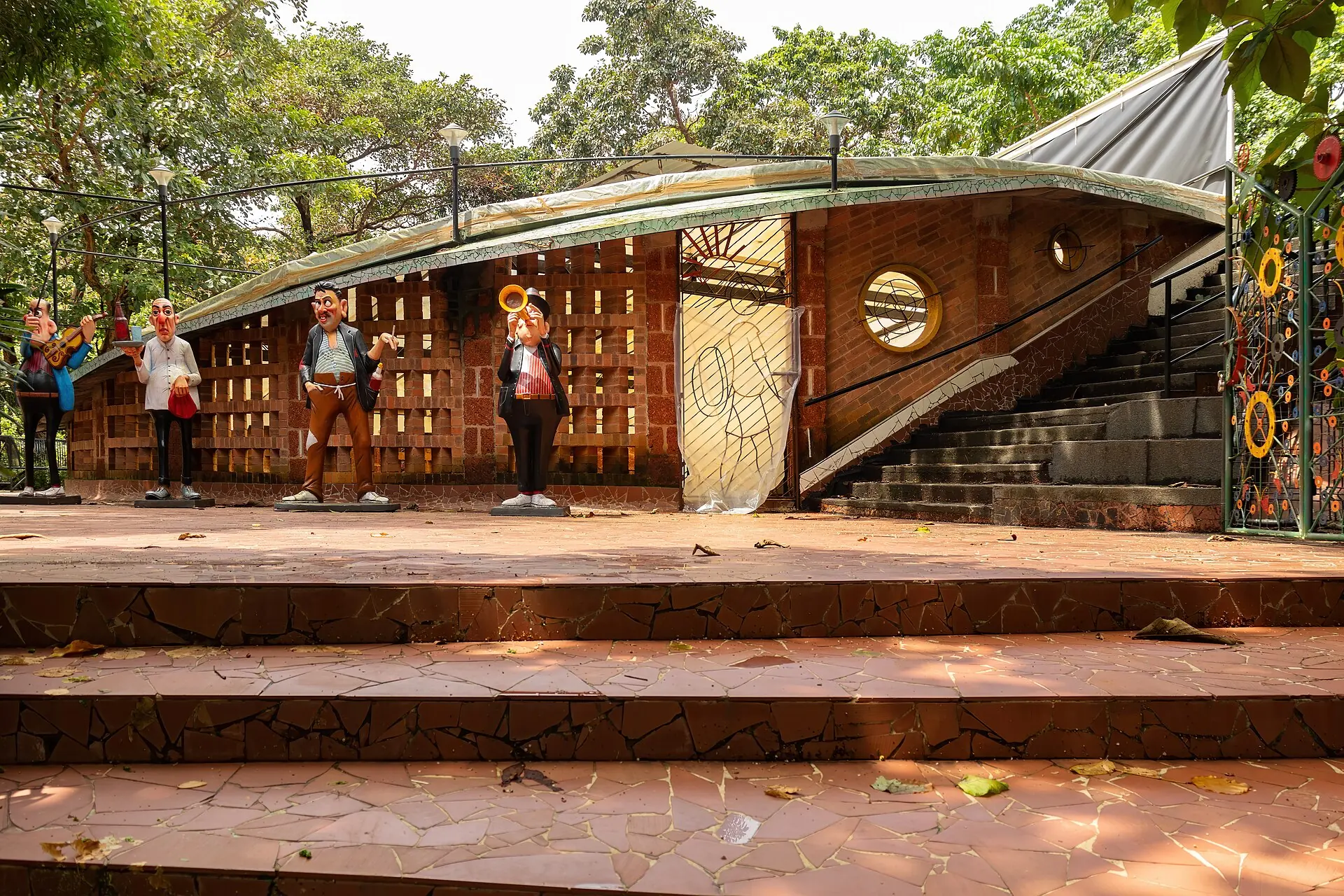
Architect Gerard da Cunha's ship-shaped museum tells the story of the Goan home — balcões, oyster-shell windows, carved doors and the blend of Indian and Portuguese styles. Small, thoughtful and ideal for an hour on a wet afternoon.
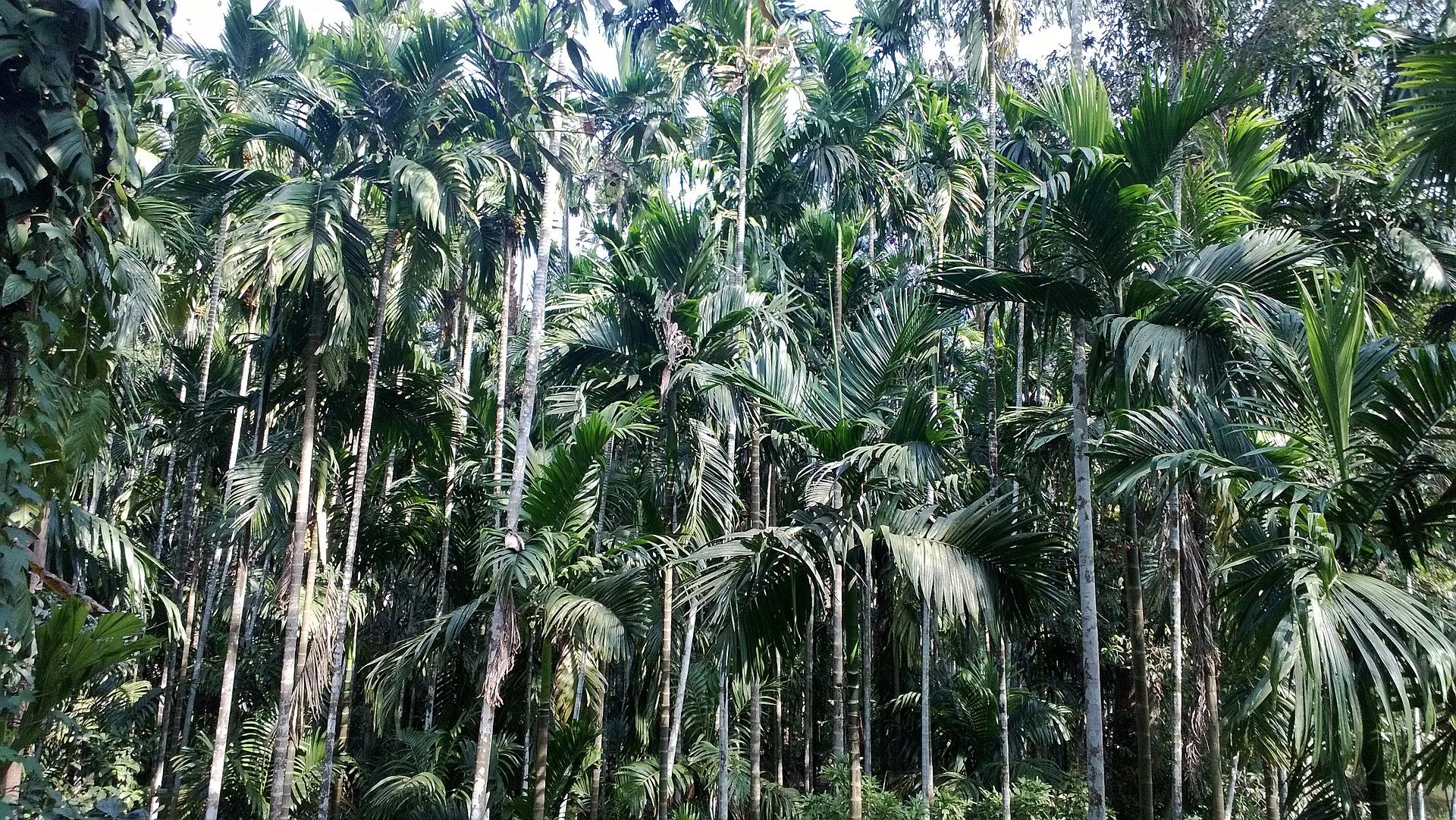
The forested Ponda belt is home to several working spice plantations offering guided walks past pepper vines, cardamom, nutmeg and areca palms, usually followed by a Goan lunch. Lush and at its greenest in the rains.
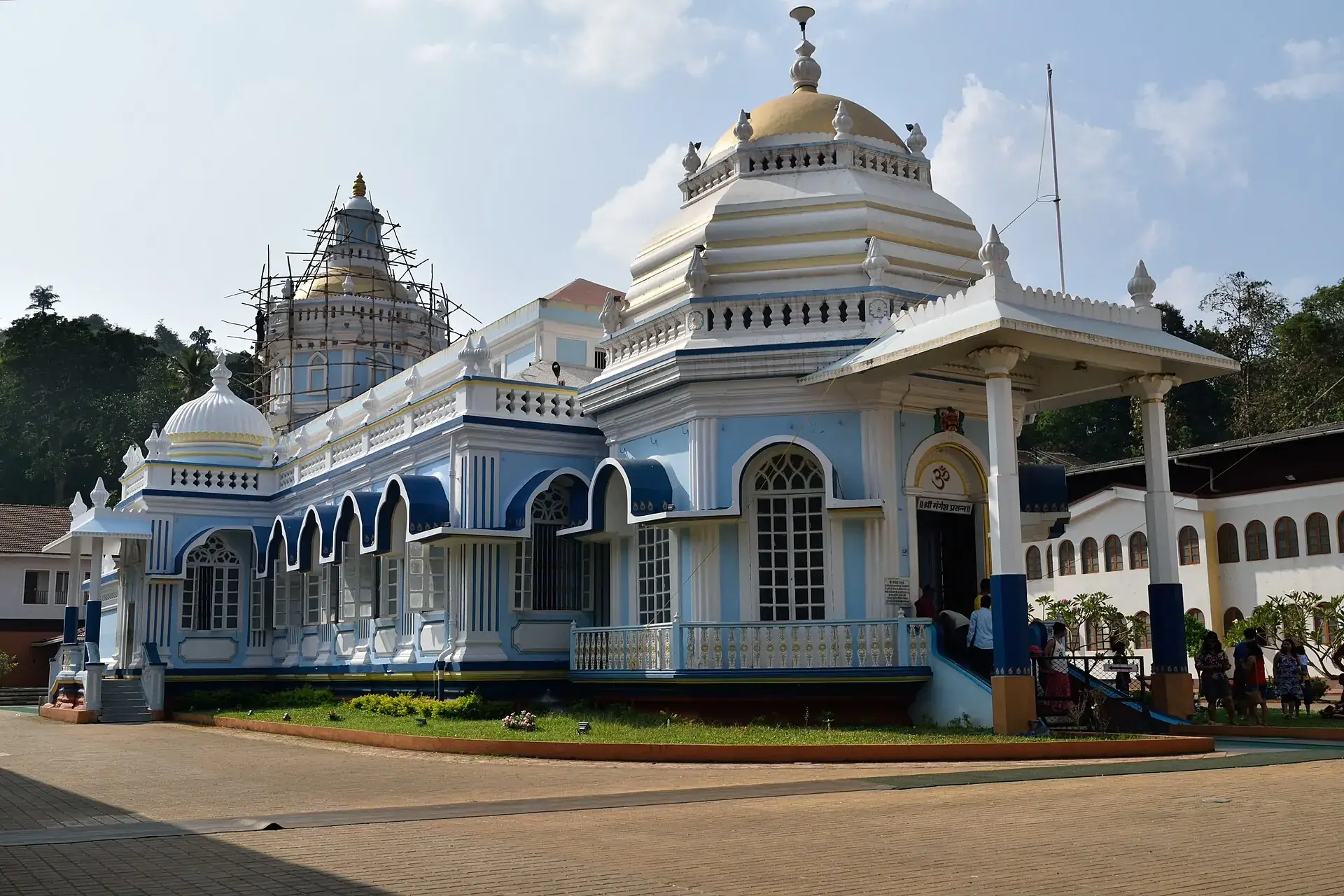
One of Goa's most important Hindu temples, dedicated to Shri Manguesh, with a distinctive white lamp tower (deepastambh) and a serene temple tank. It is an active place of worship — dress modestly and leave footwear outside.