Four and a half centuries of Portuguese rule, older Hindu temples and sea forts — the heritage side of Goa.
Quick answer
Goa's must-see historical places are the UNESCO World Heritage churches of Old Goa (the Basilica of Bom Jesus and Sé Cathedral), the coastal forts of Aguada, Chapora, Reis Magos and Cabo de Rama, Panaji's Fontainhas Latin Quarter, the mansions of Chandor and the 12th-century Tambdi Surla temple.
Updated November 2026 · GoaPlace editors · facts checked against our own listings
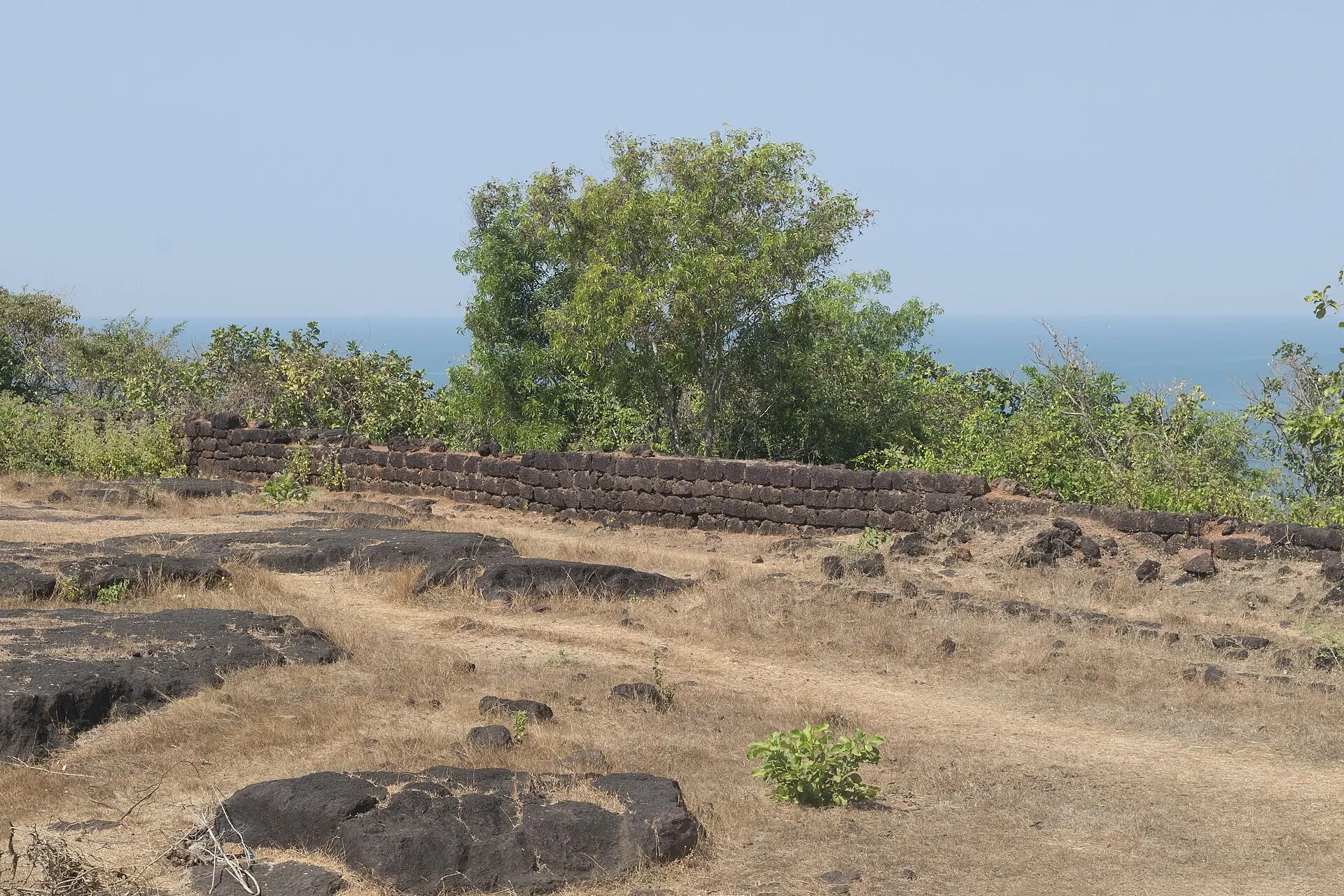
Crumbling laterite ramparts on a headland above the Chapora river, made famous by a much-loved 2001 Bollywood film. The climb is short but steep; at the top you get sweeping views over Vagator on one side and the fishing boats of Chapora on the other.
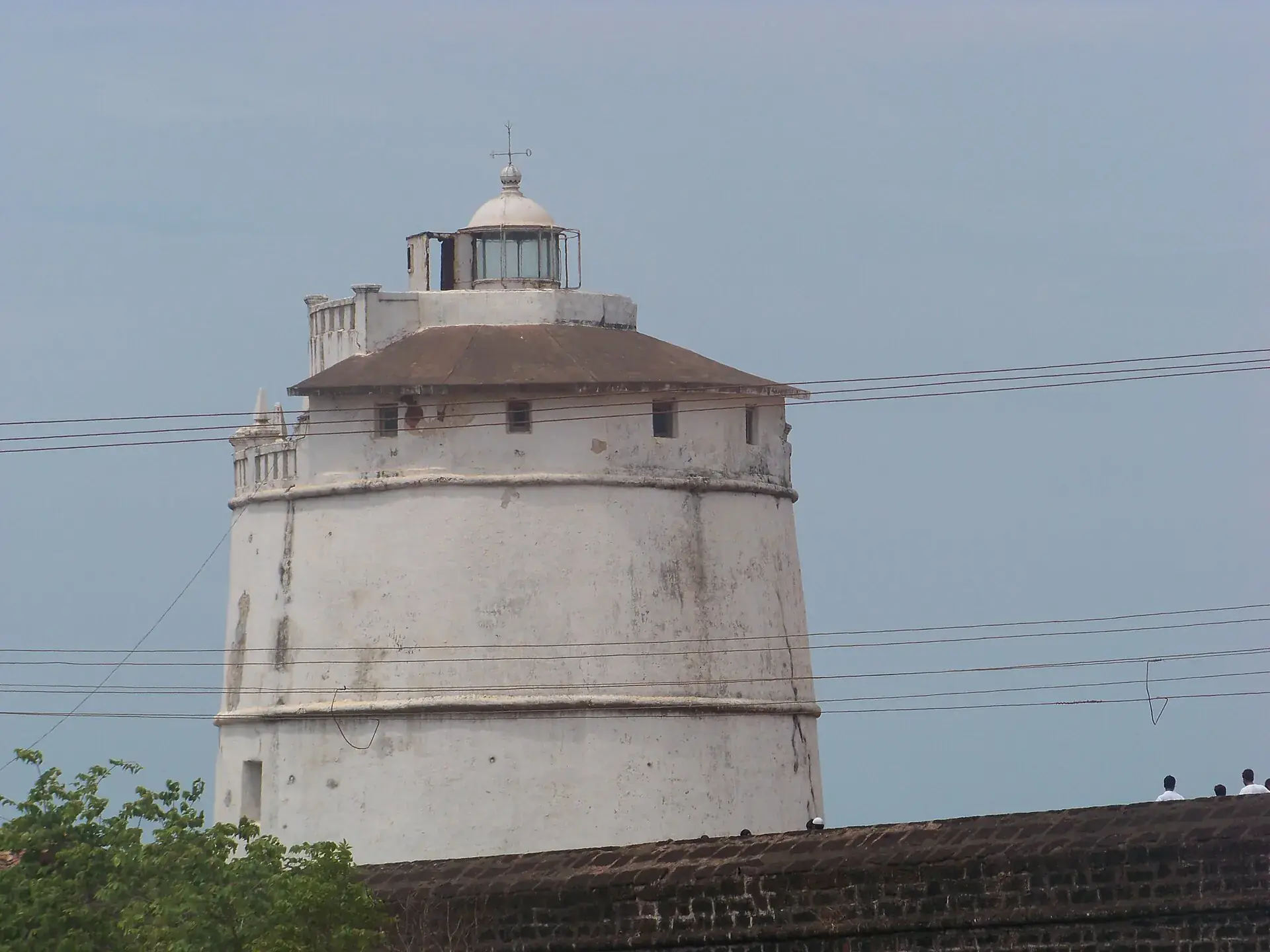
Built by the Portuguese in the early 1600s to guard the Mandovi and give passing ships fresh water — 'aguada' means watering place. The ramparts and old lighthouse overlook the Arabian Sea and glow in late-afternoon light.
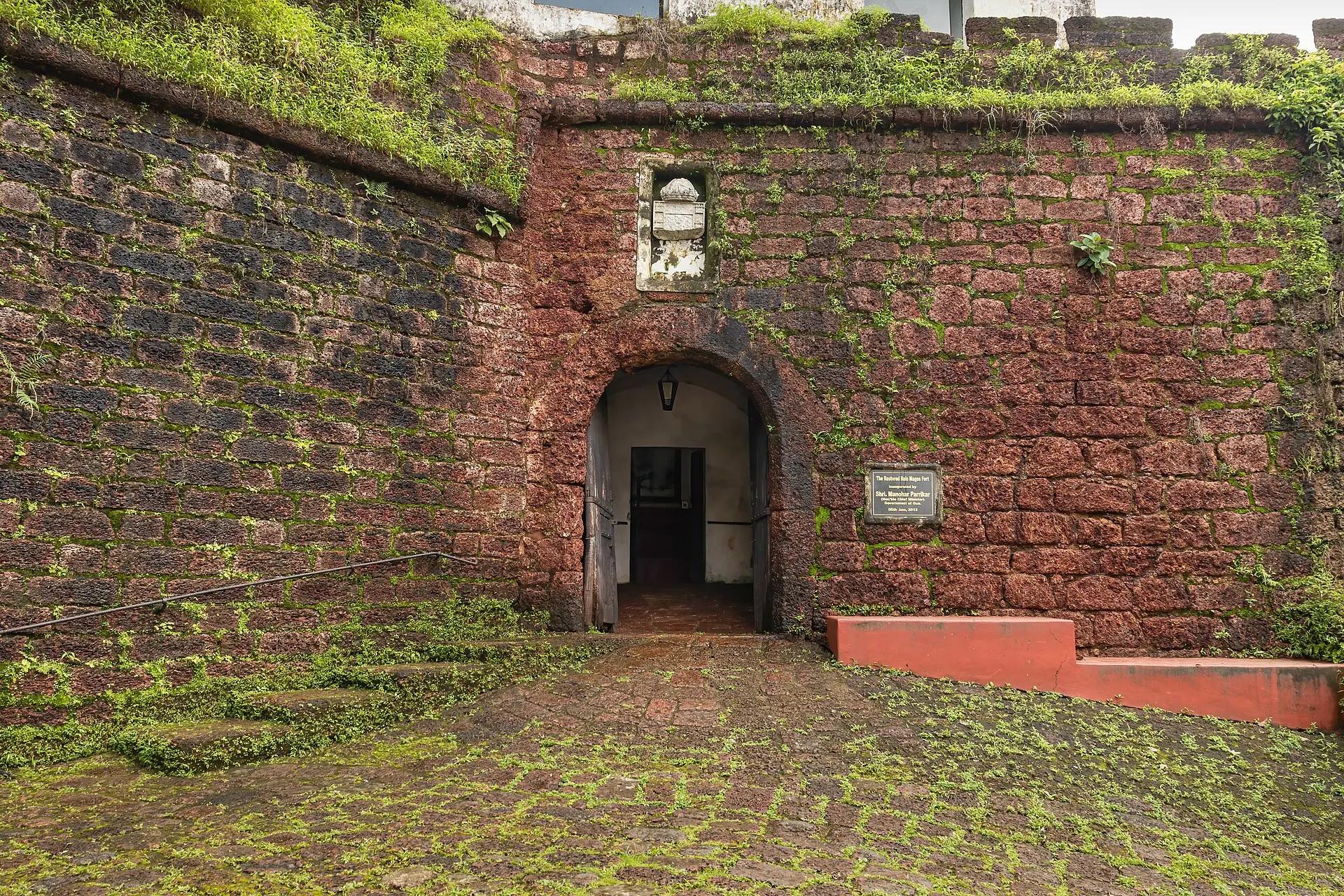
A compact fort on the north bank of the Mandovi, carefully restored and now home to exhibitions on Goa's history. The views across the river to Panaji are superb, and its size makes it an easy stop with children.
A contemporary art museum founded by artist Subodh Kerkar. Its galleries explore Goa's history, sea and identity through installations and changing exhibitions — a thoughtful escape on a wet or scorching afternoon.
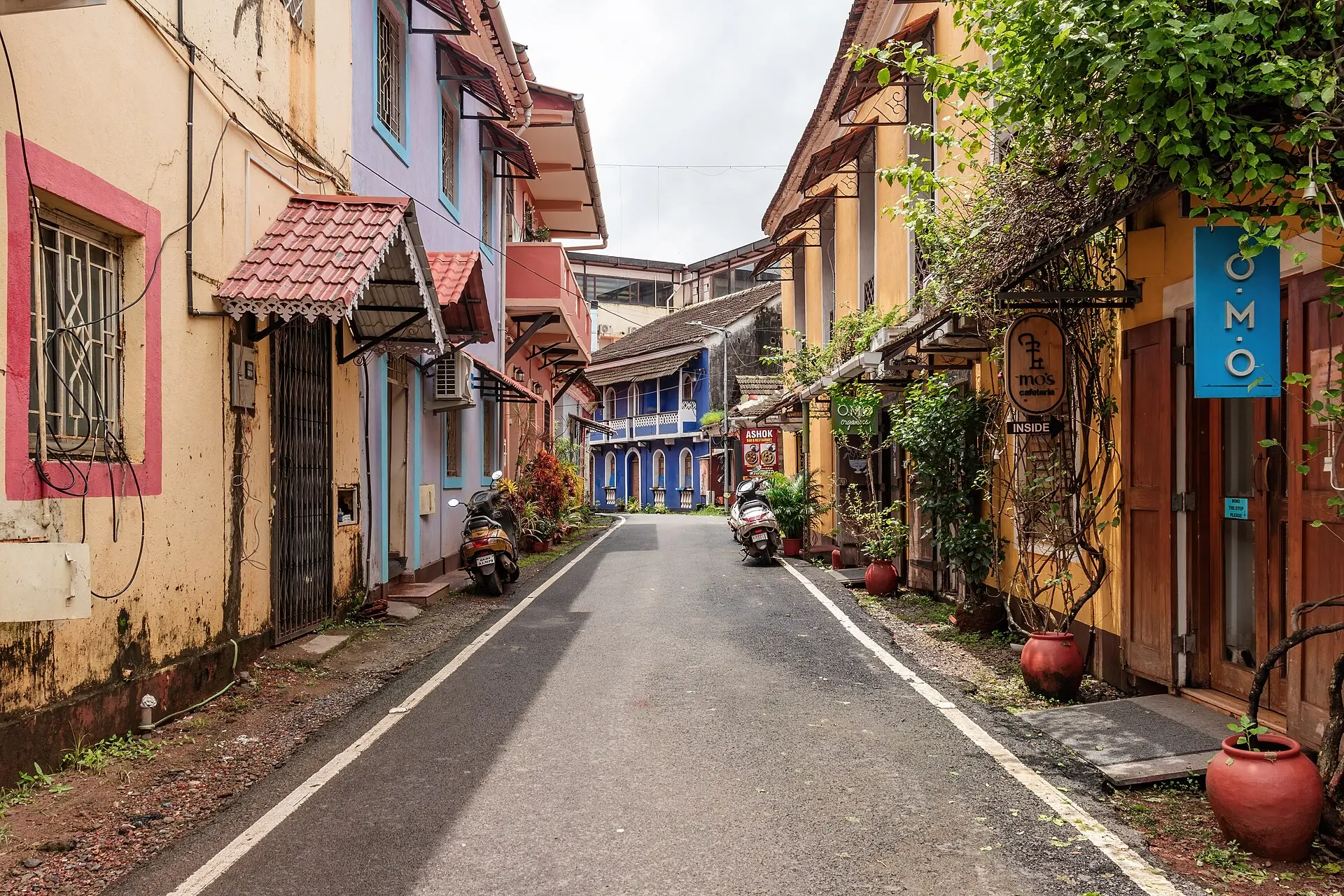
Panaji's Latin Quarter is a tangle of lanes painted ochre, indigo and lime green, with tiled balcões, azulejo street signs and tiny chapels. Wander without a map, stop for coffee or bebinca, and look up — the details are in the balconies.
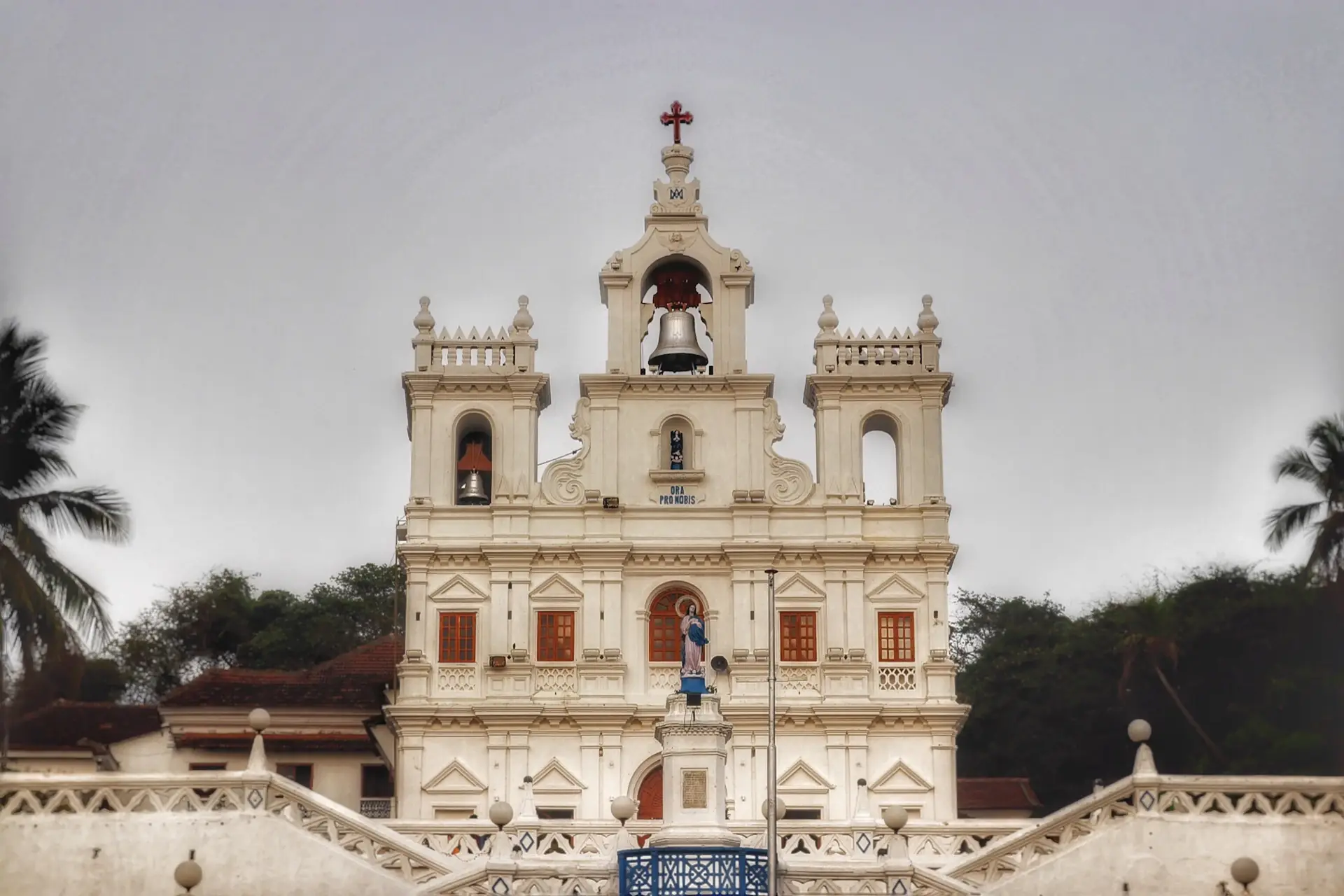
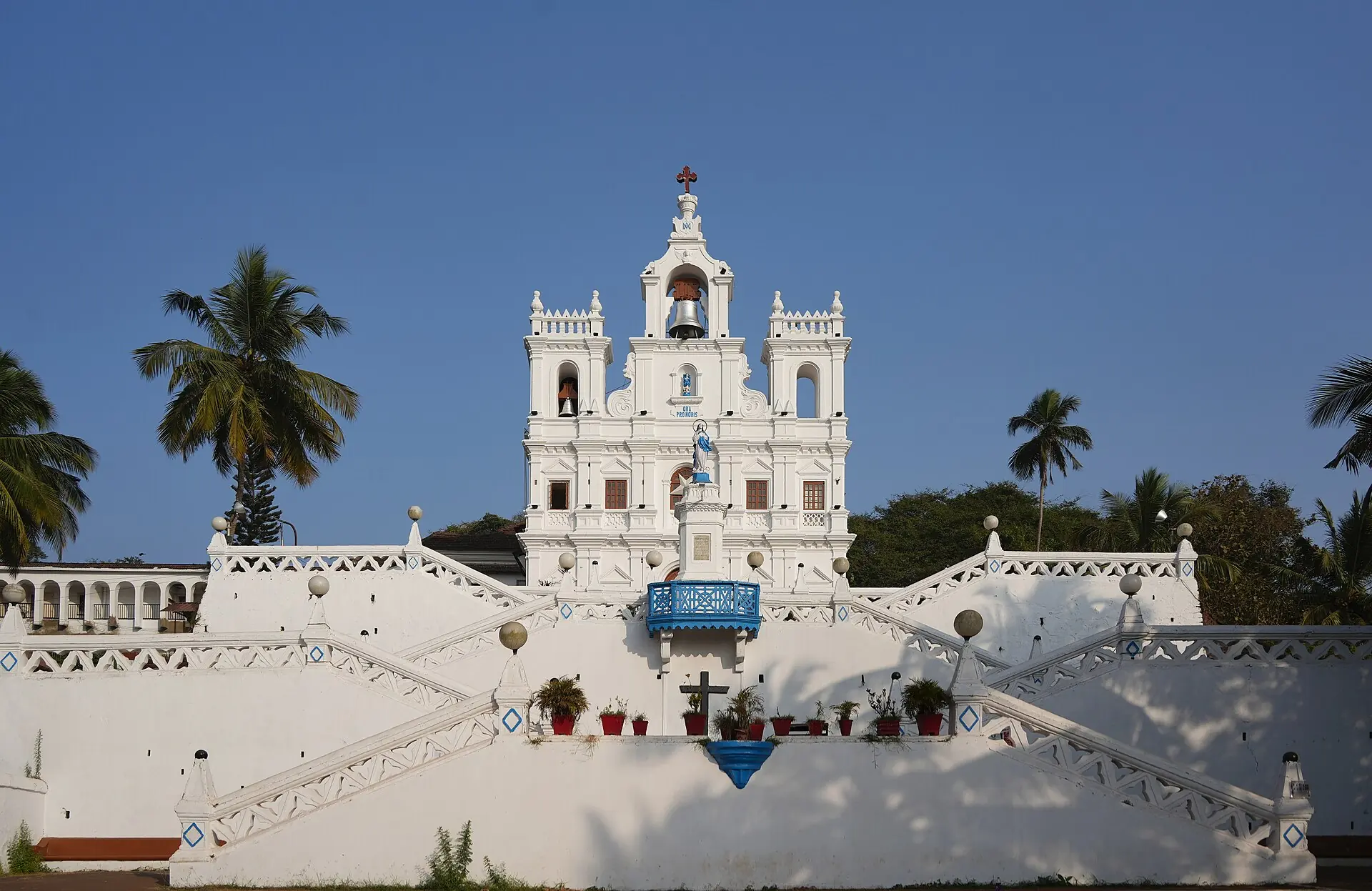
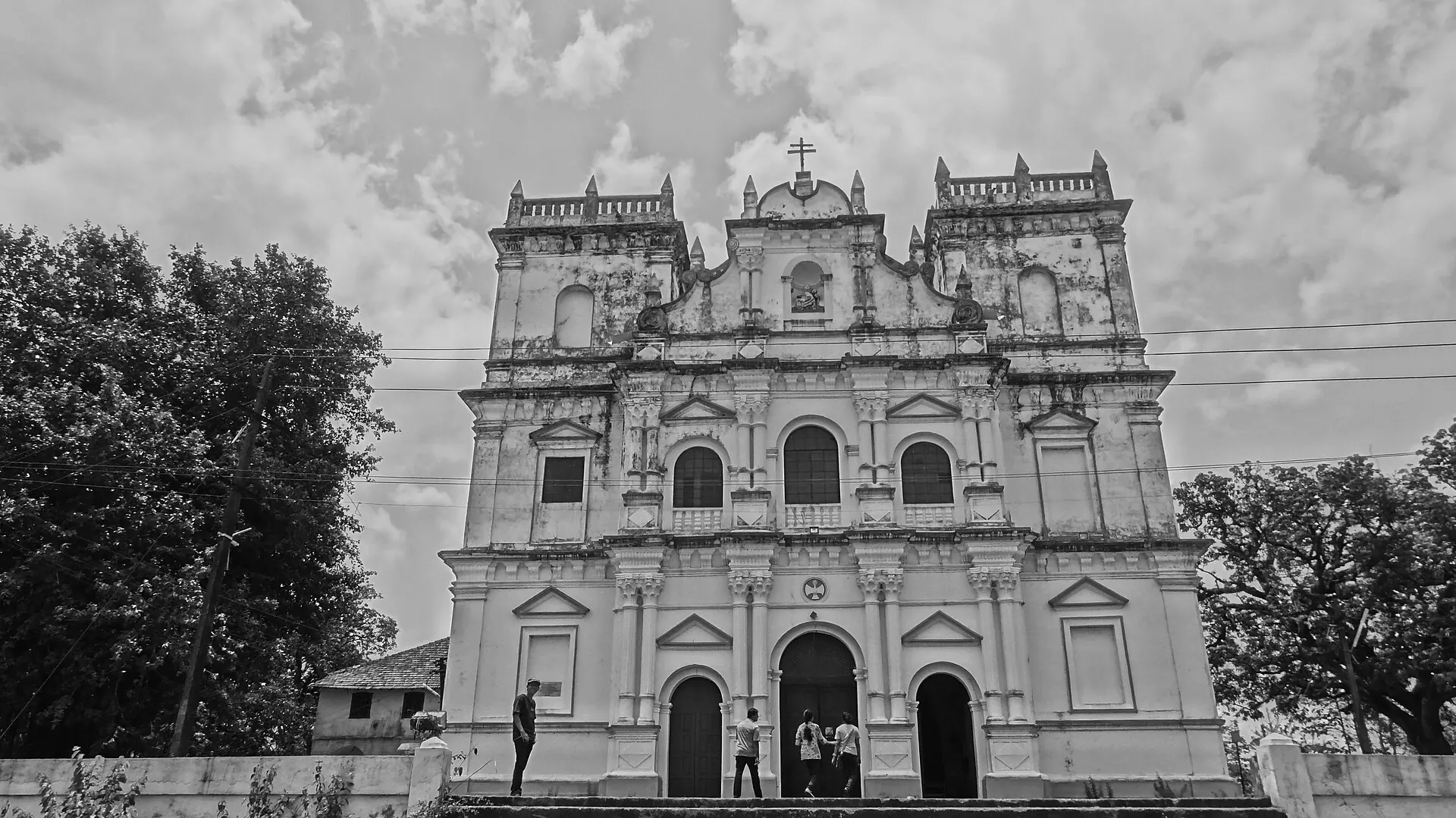
The dazzling white church above a criss-cross staircase that appears on every Panaji postcard. A chapel stood here in the sixteenth century; the present church grew around it. Visit in soft morning light and dress modestly.
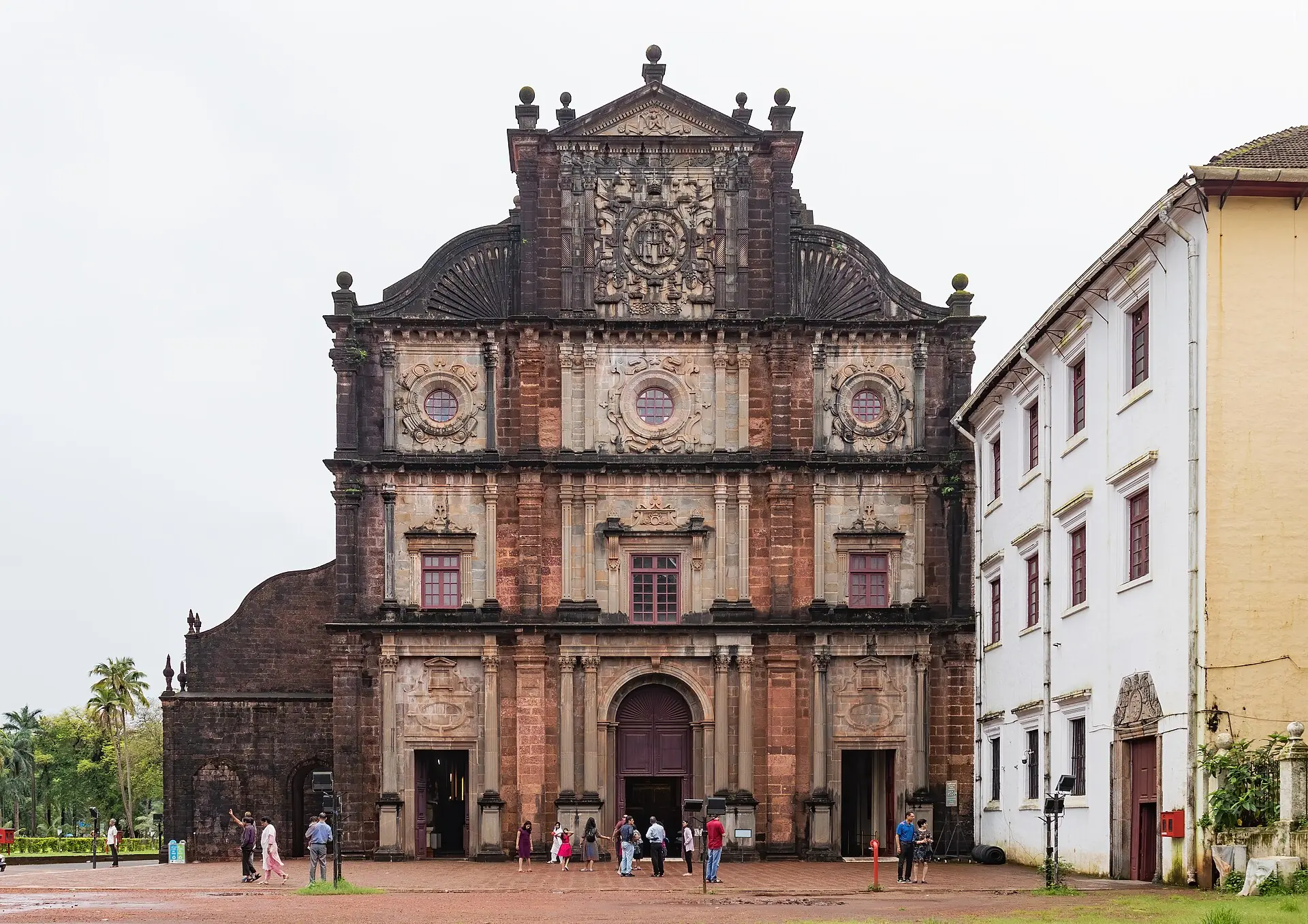
The Basilica holds the mortal remains of St Francis Xavier and is part of the UNESCO-listed Churches and Convents of Goa. Its unplastered laterite façade glows gold in the morning. Dress modestly and keep voices low.
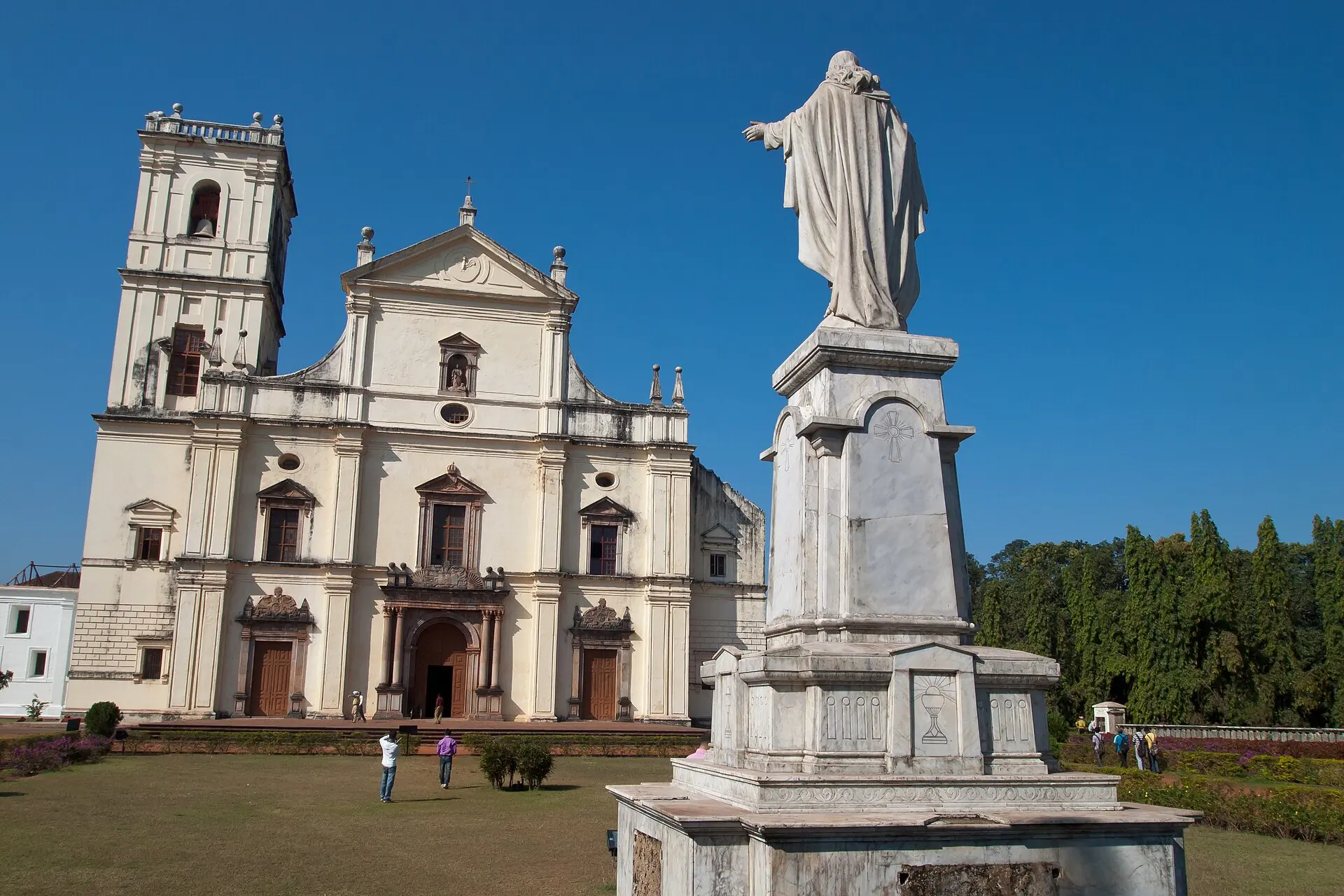
One of the largest churches in Asia, the Sé faces the Basilica across Old Goa's lawns. Look for the gilded main altar and the Golden Bell in its tower, then pair it with the Church of St Francis of Assisi and the archaeological museum beside it.
A short river-ferry ride from Old Goa lands you on an island of paddy fields, old Portuguese homes and hilltop chapels. Bring a scooter or bicycle across and simply wander — this is Goa at village pace.
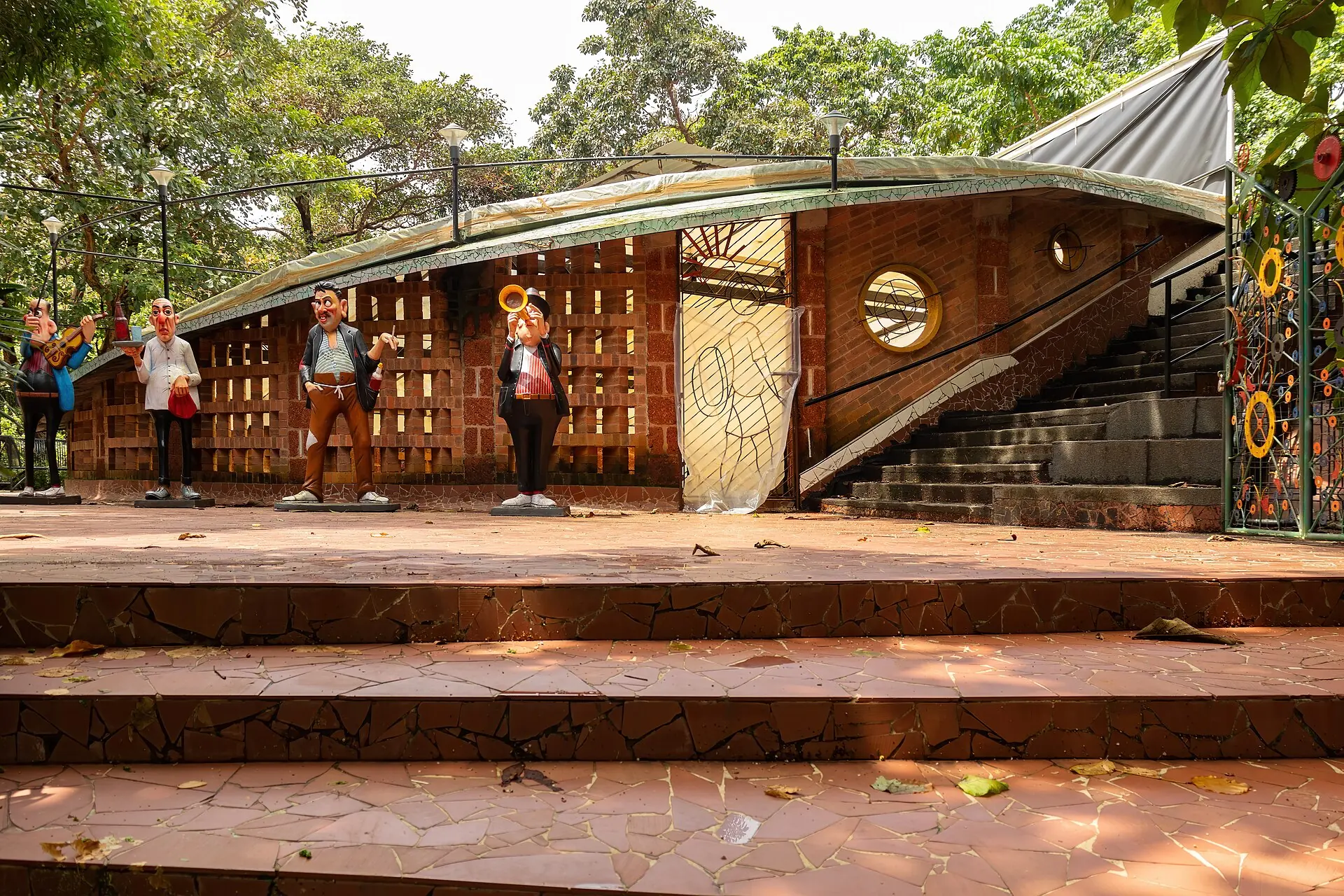
Architect Gerard da Cunha's ship-shaped museum tells the story of the Goan home — balcões, oyster-shell windows, carved doors and the blend of Indian and Portuguese styles. Small, thoughtful and ideal for an hour on a wet afternoon.
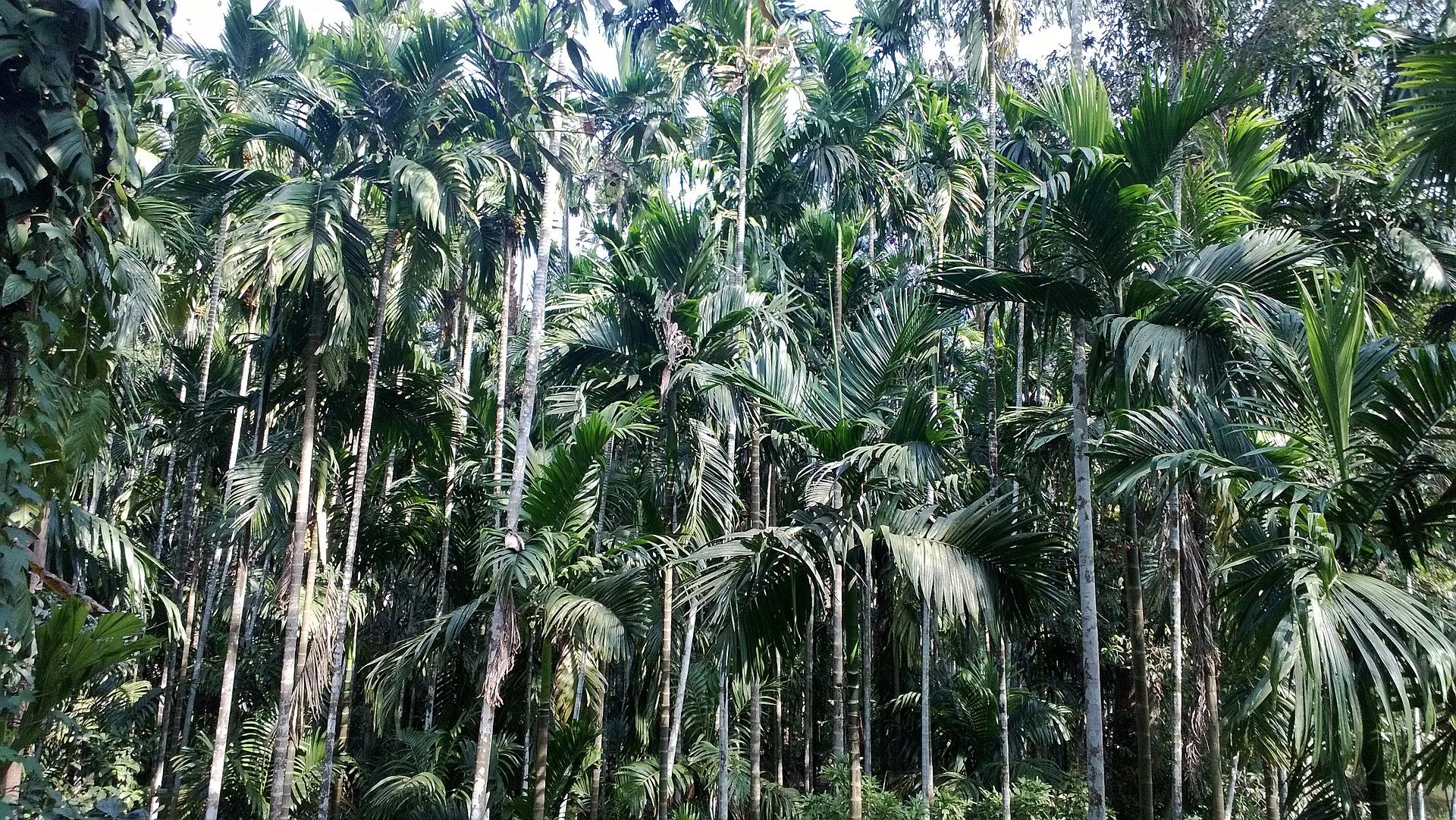
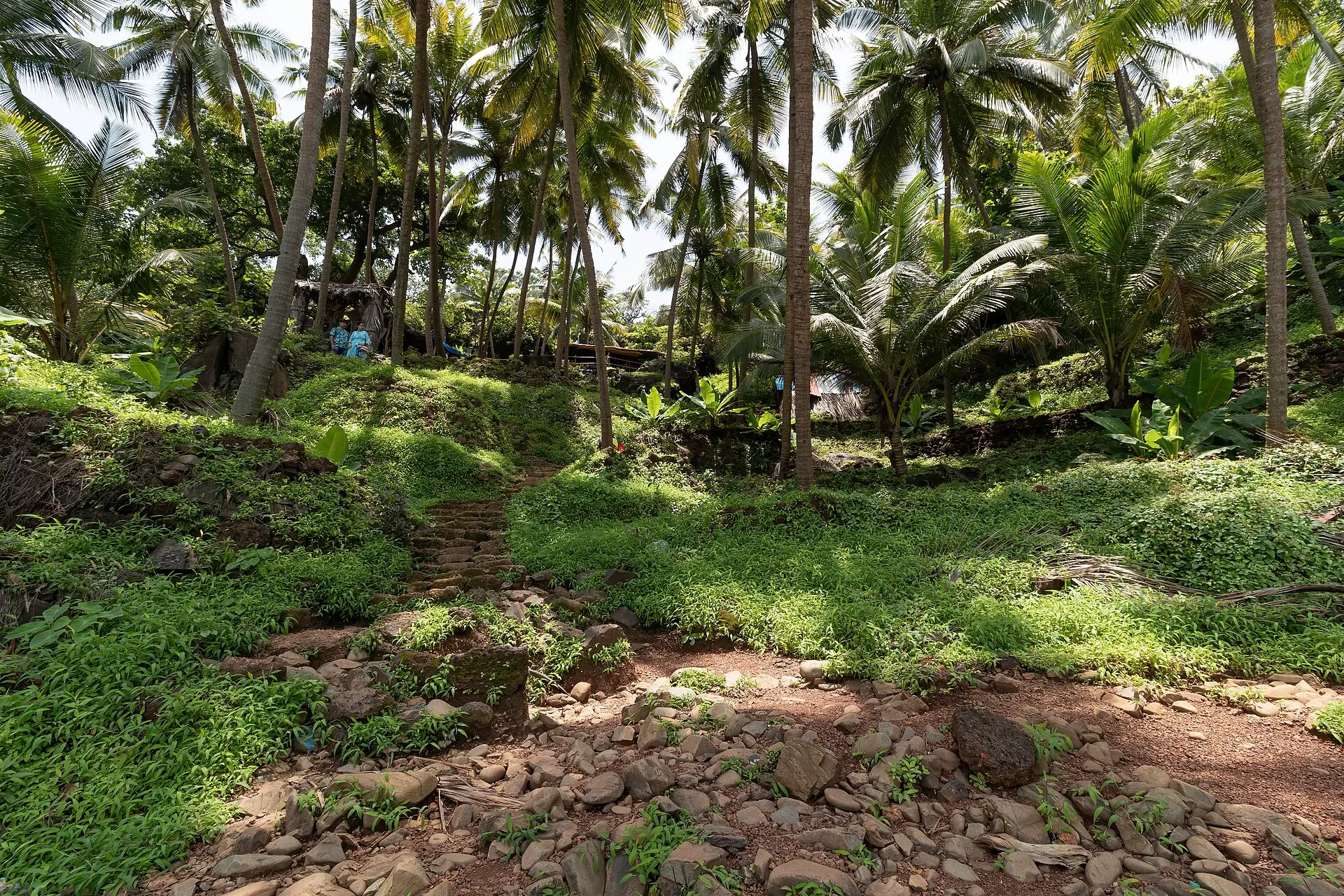
The forested Ponda belt is home to several working spice plantations offering guided walks past pepper vines, cardamom, nutmeg and areca palms, usually followed by a Goan lunch. Lush and at its greenest in the rains.
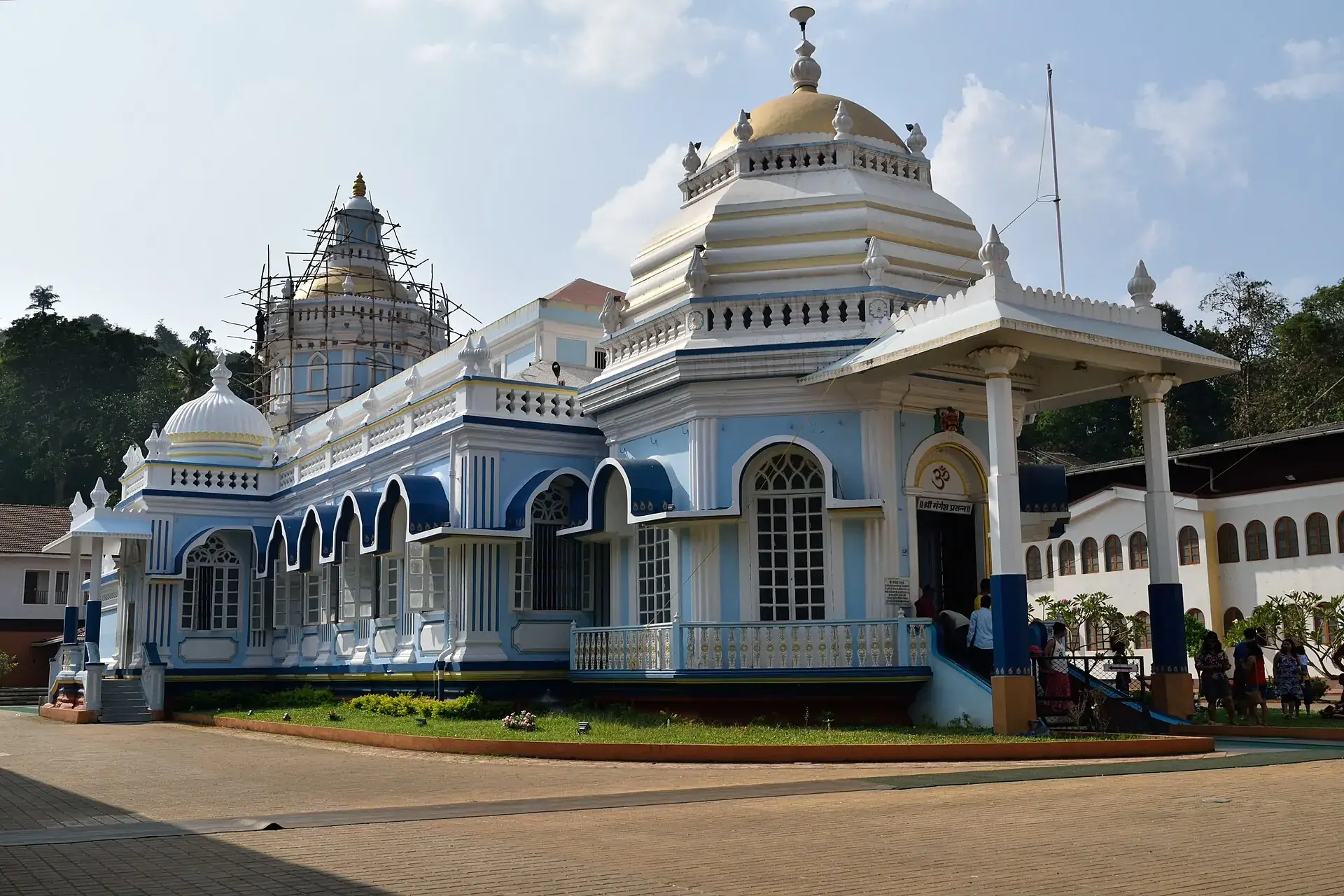
One of Goa's most important Hindu temples, dedicated to Shri Manguesh, with a distinctive white lamp tower (deepastambh) and a serene temple tank. It is an active place of worship — dress modestly and leave footwear outside.
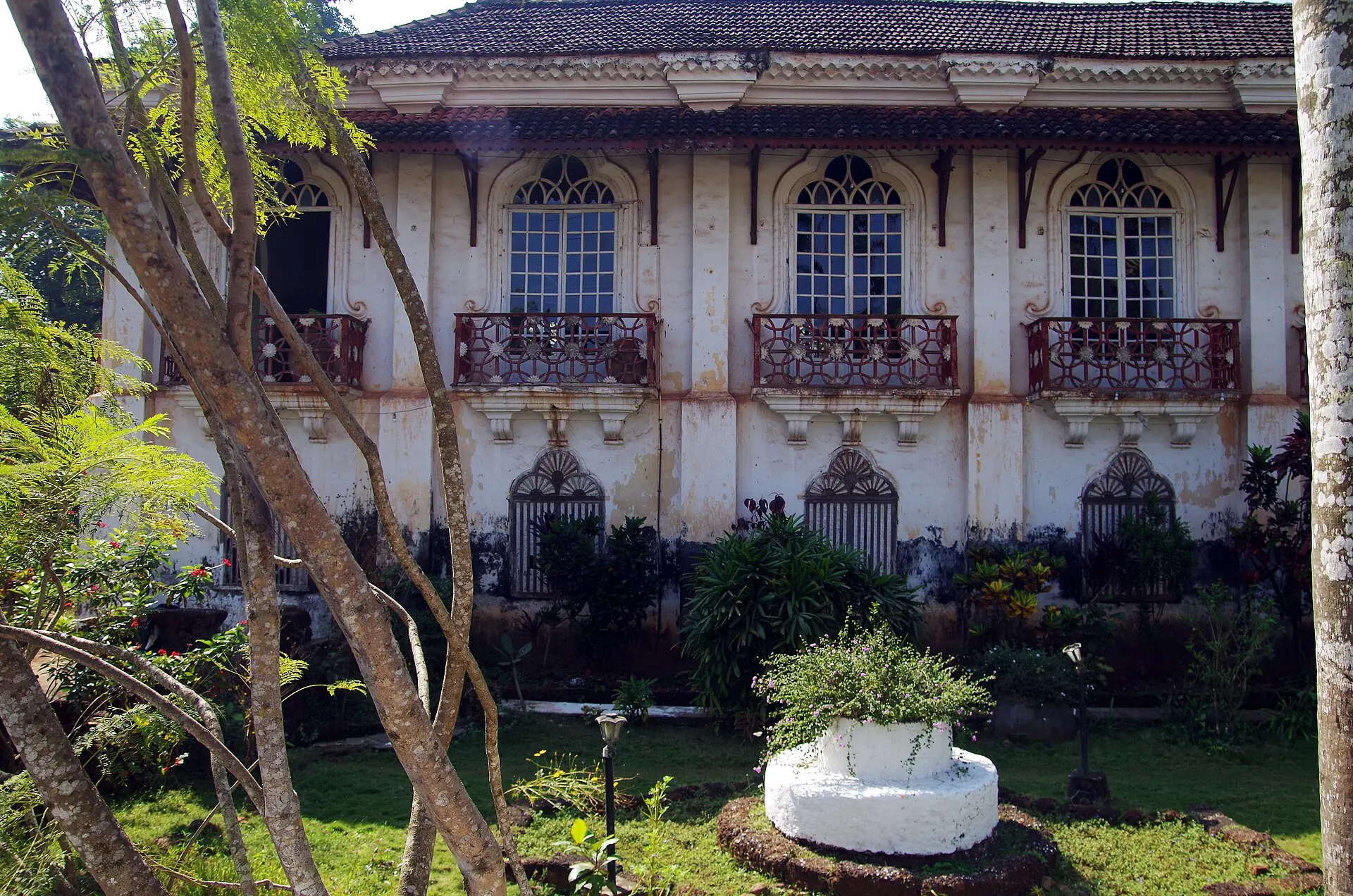
A vast colonial-era mansion in the village of Chandor, with ballrooms, chandeliers and heirloom furniture. Its two wings are still family homes, shown by the families themselves — a donation is customary. A rare glimpse of Goa's old aristocratic life.
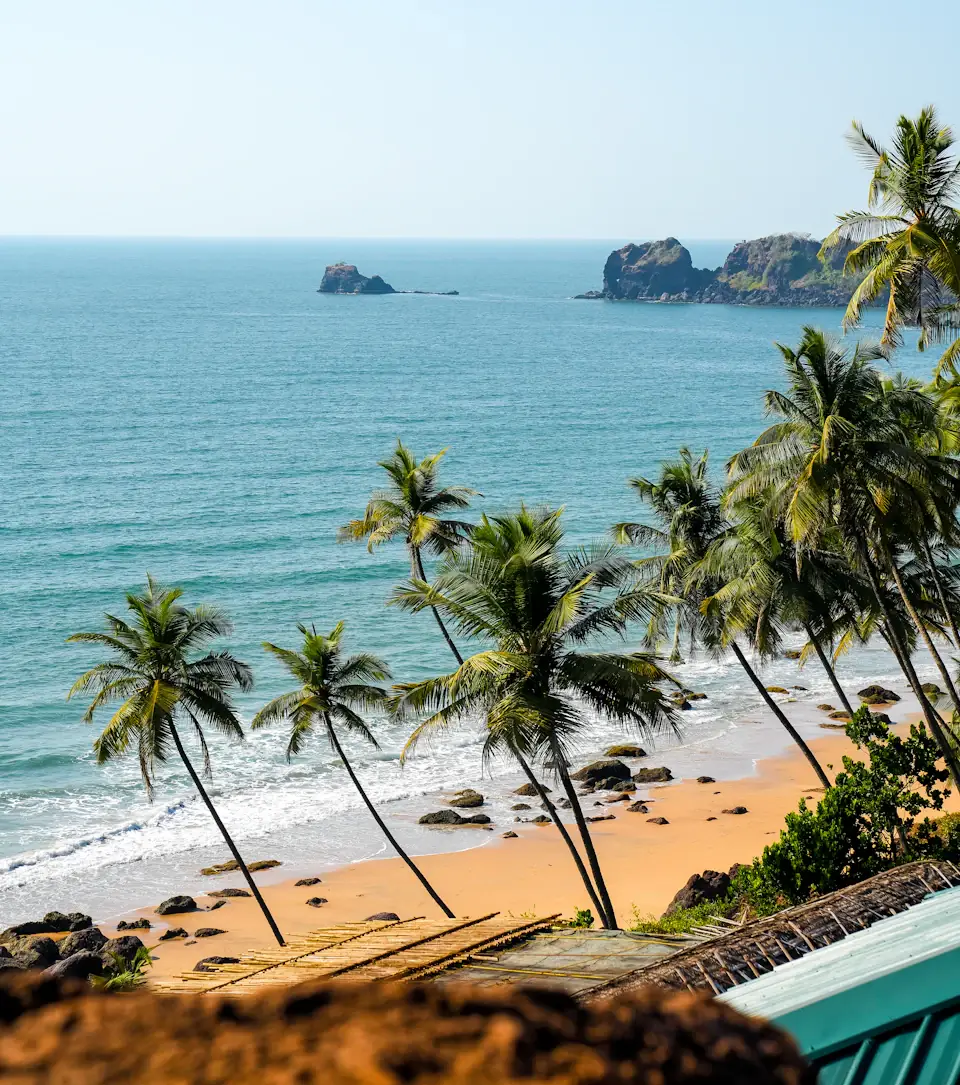
A remote, windswept fort on the Canacona coast with a small chapel inside its walls and dramatic cliffs below. Few visitors make the drive, so you may have the ramparts almost to yourself at sunset.
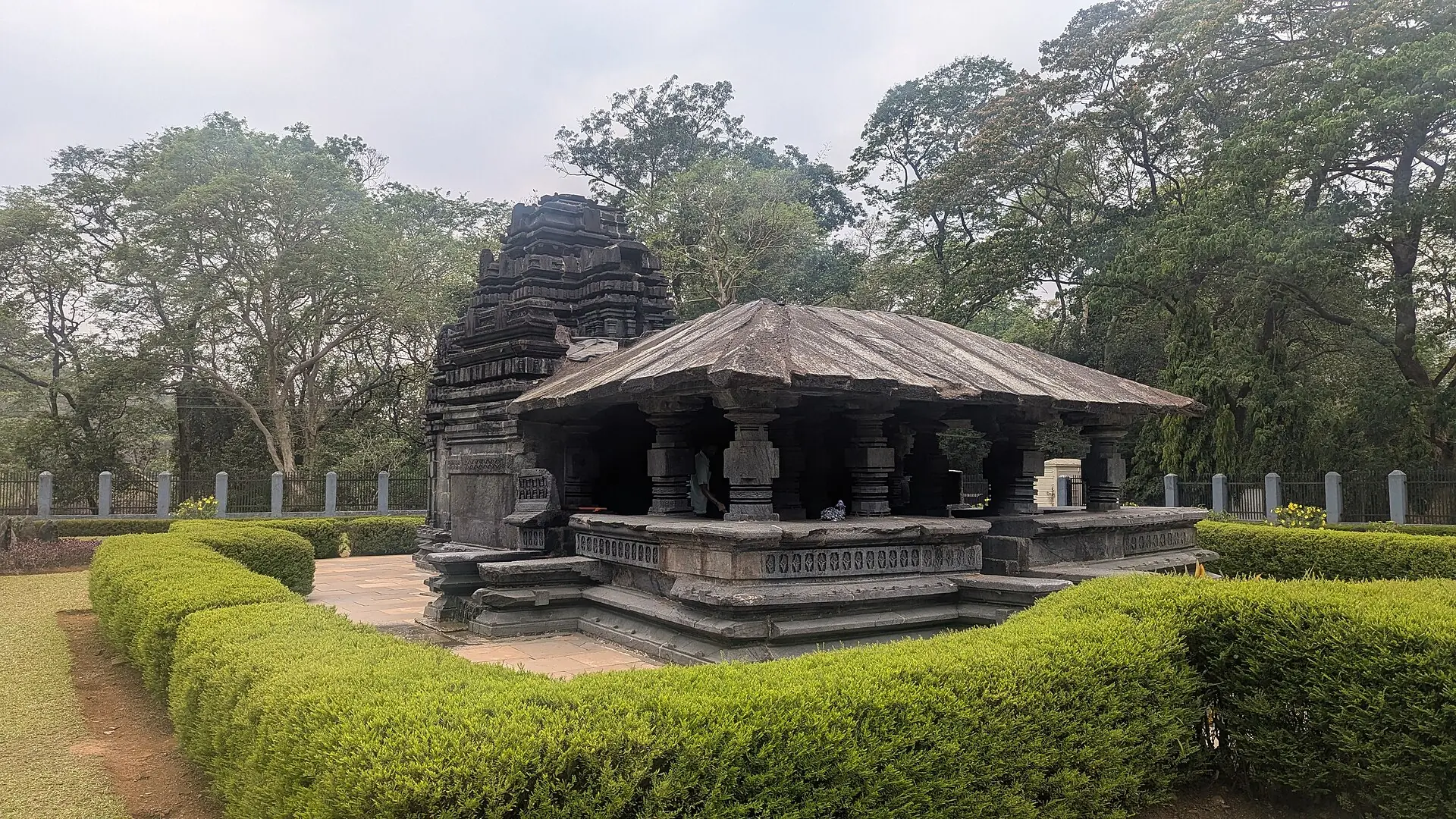
A small, exquisitely carved basalt temple from the Kadamba era, hidden in forest at the foot of the Ghats. Because of its remote location it survived the centuries largely intact. Pair it with the Bhagwan Mahavir sanctuary nearby.
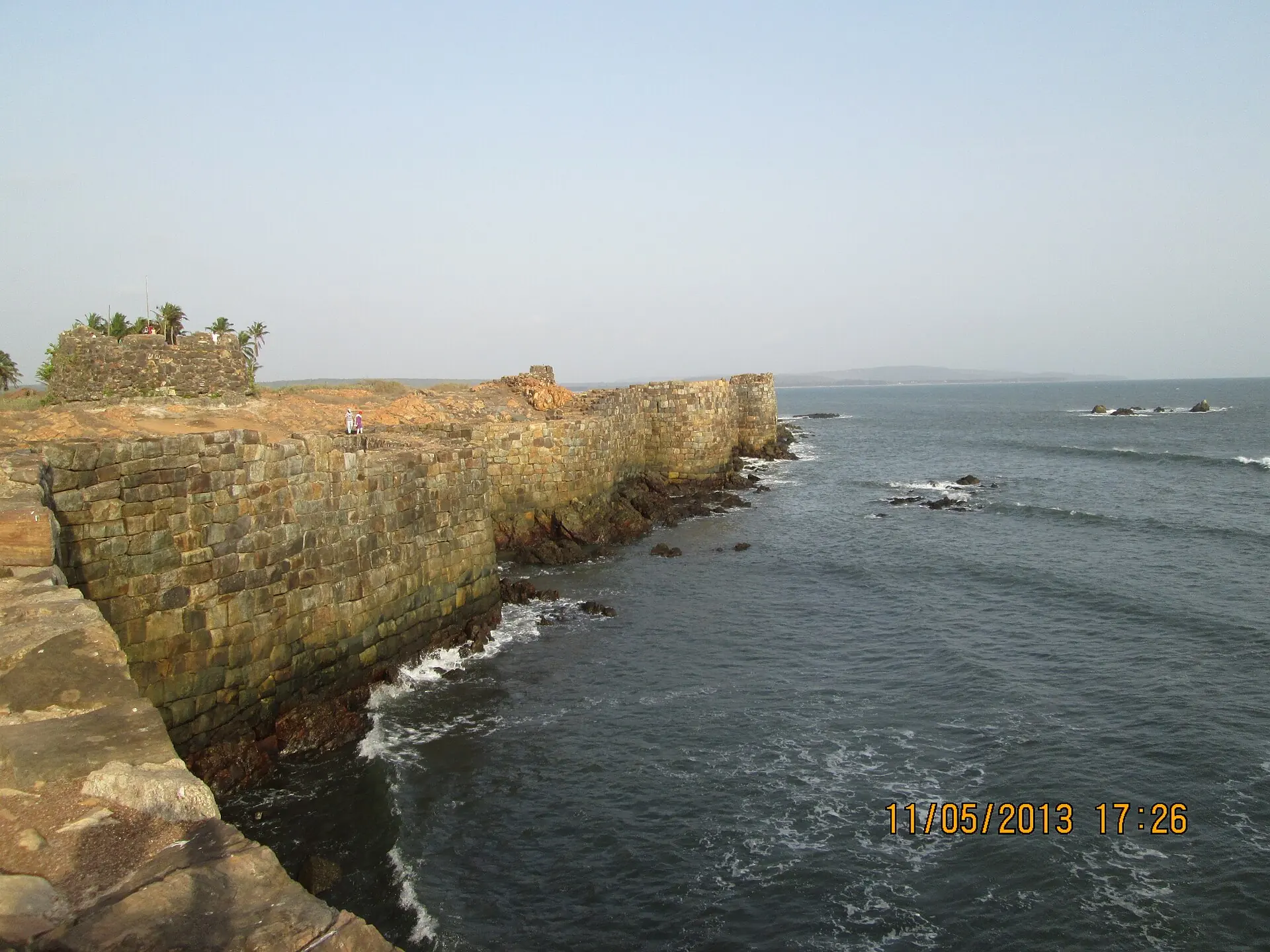
Clear water, Malvani seafood and the sea fort of Sindhudurg, built by Chhatrapati Shivaji Maharaj. Snorkelling and boat trips run in the fair-weather season.
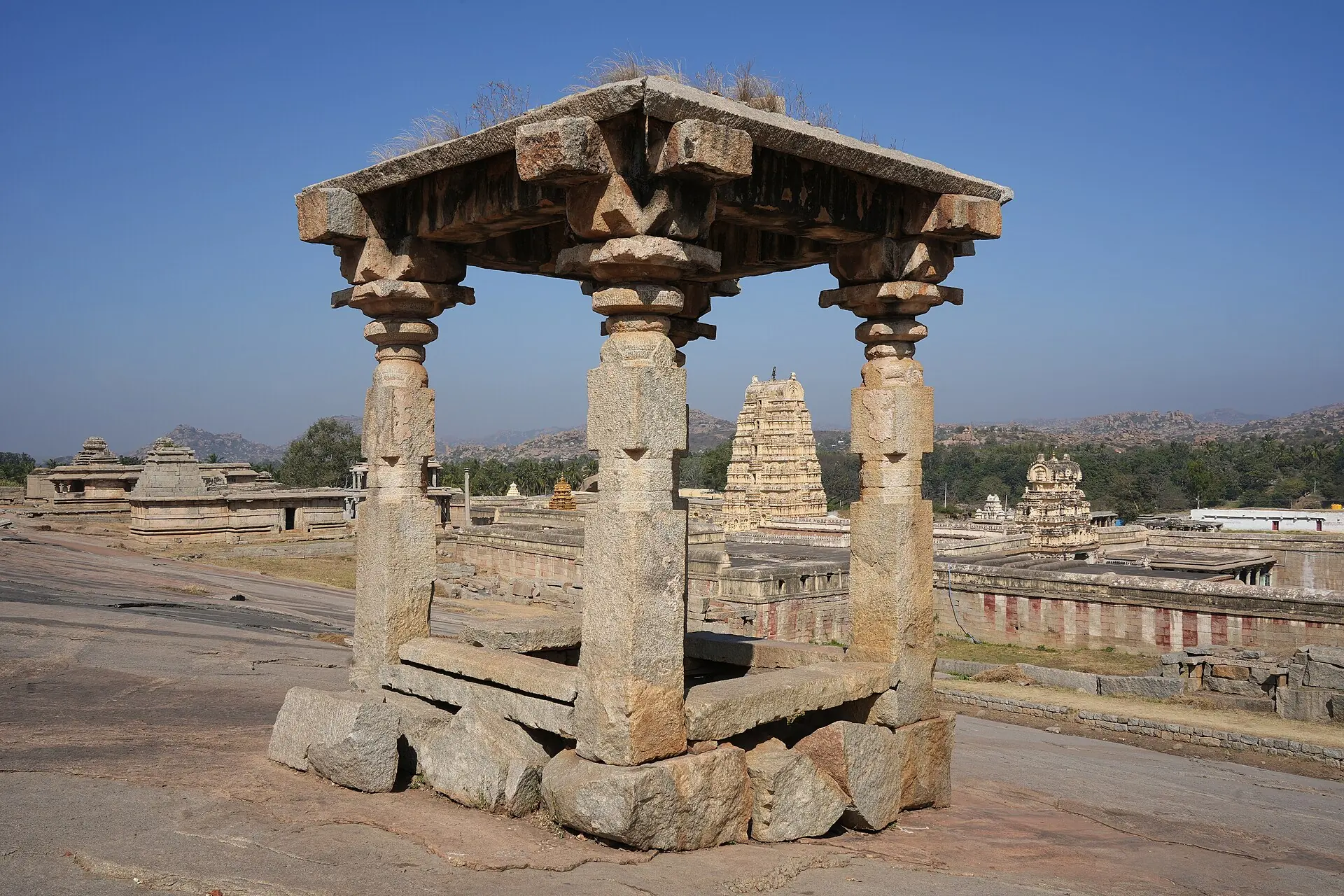
The ruins of the Vijayanagara capital scattered across a surreal boulder landscape — temples, bazaars and royal enclosures. Give it at least two nights; many travellers go by overnight train or bus.